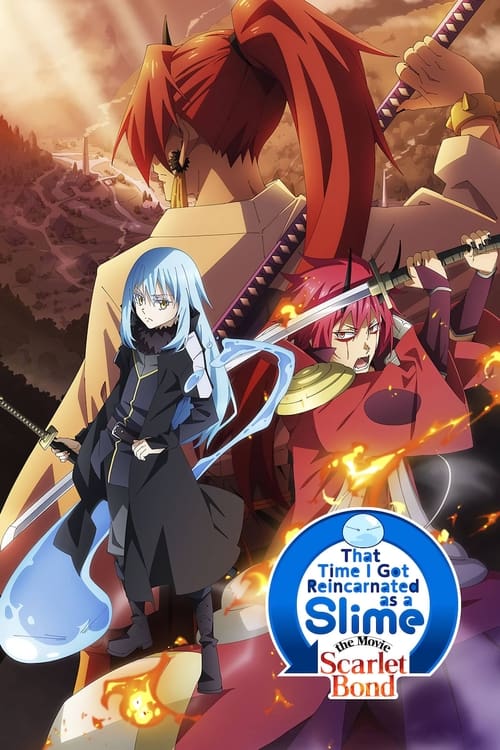
That Time I Got Reincarnated as a Slime the Movie: Scarlet Bond
2022
No user ratings available yet
Representation score: 7.6 out of 10
Representation Score
Minimal
2026
PG-13Director
Yasuhito Kikuchi
Runtime
105 minutes
Average Rating
No ratings yetNew Showbiz Analysis
The film centers on magical conflict and kingdom politics within a Japanese animated framework. Female characters wield significant power, but male villains steer the plot, creating an uneven gender dynamic. Fantasy species replace human ethnic diversity, limiting racial representation. Queer identities and disability experiences are entirely absent, reflecting conventional storytelling choices. Cultural themes reinforce traditional hierarchies without progressive commentary. The all-Japanese cast aligns with the production’s cultural context but offers no broader inclusivity. Strengths lie in strong female leadership roles and a distinct cultural perspective. However, the lack of LGBTQ+ and disability representation, combined with reactive female roles, keeps the overall diversity score low.
Category Breakdown
No LGBTQ+ characters or same-sex relationships appear in the film. The only romance subplot involves Zodon’s intended heterosexual marriage to Yura, leaving queer identities entirely absent from the narrative.
Female leaders like Elmesia and Yura hold prominent roles, yet male antagonists drive the central conflict. Women often react to schemes orchestrated by men, limiting their narrative agency despite their status.
The film features an all-Japanese voice cast and fantasy species instead of human ethnicities. No cross-cultural casting or representation of non-Japanese backgrounds is present in the production or story.
The narrative embraces Japanese fantasy tropes with hierarchical kingdoms and revered authority figures. Themes of loyalty and tradition dominate, without challenging or critiquing established social structures.
No characters with physical or mental disabilities are depicted. The story emphasizes magical powers and combat skills, completely overlooking disability experiences or inclusive representation.
Present on Screen
Limited or Absent
Official Synopsis
After concluding the opening ceremony of the Demon Kingdom Federation Tempest, Rimuru and his companions are invited by the Celestial Emperor Hermesia of the great elven nation – the Magi Dynasty Salion – to visit her private resort island. As the group enjoys their brief vacation, a mysterious woman named Yura appears. A new incident unfolds against the backdrop of the boundless azure sea.
2022
2017
2019
2018
2019

2022
2016

2020
No reviews yet. Be the first to share your thoughts on this movie!
Use the rating form above to leave a star rating and optional review.