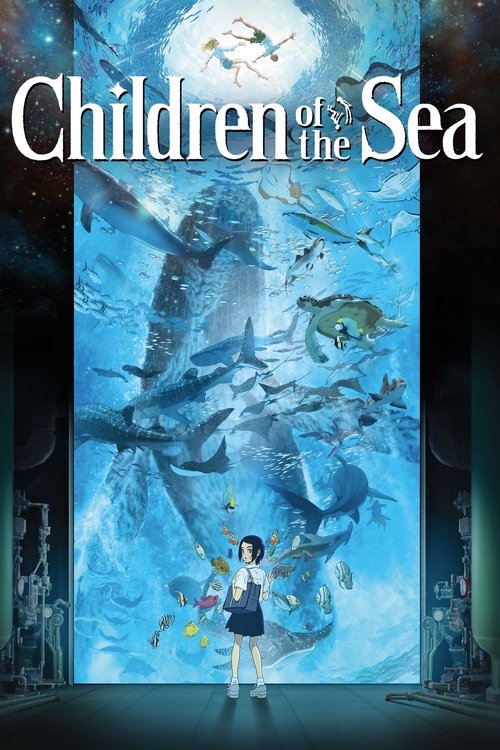
Children of the Sea
2019
No user ratings available yet
Representation score: 7.7 out of 10
Representation Score
Fair
2018
PG-13Director
Kazuya Murata
Runtime
62 minutes
Average Rating
No ratings yetNew Showbiz Analysis
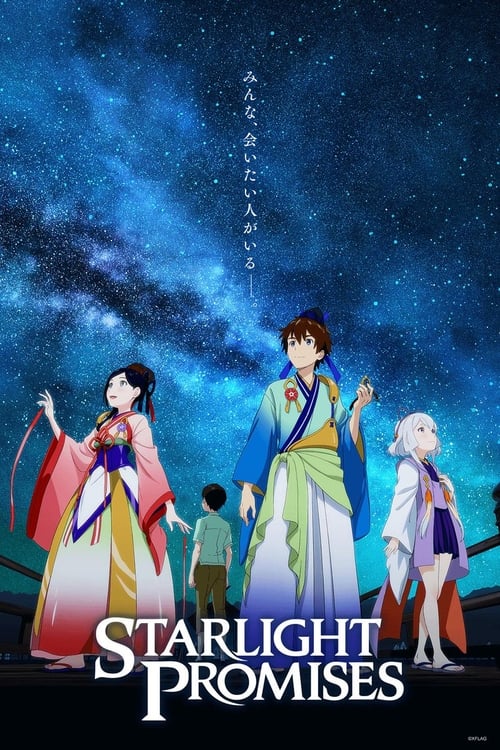
Starlight Promises follows a traditional fantasy-mystery structure emphasizing interpersonal connections and localized folklore. While the film avoids passive female stereotypes by giving active roles to female characters, it remains rooted in conventional narrative frameworks. The work lacks significant multi-layered complexity or diverse casting, focusing instead on a singular, culturally specific setting. Ultimately, the film offers meaningful roles for women but misses opportunities for broader representation regarding race, disability, or explicit LGBTQ+ identities.
Category Breakdown
The story focuses on strong emotional bonds and reunions that go beyond simple friendships. However, the film does not explicitly depict queer identities, resulting in moderate LGBTQ+ representation.
Shoma and Shiori have an active, balanced partnership in driving the plot forward. Kana’s role as a female director also suggests a move away from traditional patriarchal leadership.
The setting in a deserted mountain village implies a homogeneous, localized environment. There is no indication of a multi-ethnic cast or diverse racial identities within the social structure.
The narrative emphasizes traditional folklore and ritualistic frameworks through its mysterious festival setting. It focuses on communal gatherings rather than broader secular or globalized themes.
The narrative does not include any characters navigating physical, neurodivergent, or mental health conditions.
Present on Screen
Limited or Absent
Official Synopsis
Shoma Mihara, a freshman in high school, receives a sudden message from his friend Atsushi inviting him to meet again at a mysterious festival. Having been unable to contact Atsushi for three and a half years, Shoma jumps at the chance and heads to join the Starlight Festival, held in a deserted mountain village. Once there, Shoma searches for Atsushi but finds no trace of him. Instead Shoma meets Shiori, a young woman who’s also looking for someone. Kana, the director of the Starlight Festival, assures Shoma that he’ll be able to reunite with Atsushi before the festivities end. Both Shoma and Shiori end up helping with preparations, only to find themselves pulled deeper and deeper into a series of strange happenings. Will Shoma be able to meet his dear friend...?
2019
2018
2021
2022
2015
2020
2011

2015
No reviews yet. Be the first to share your thoughts on this movie!
Use the rating form above to leave a star rating and optional review.