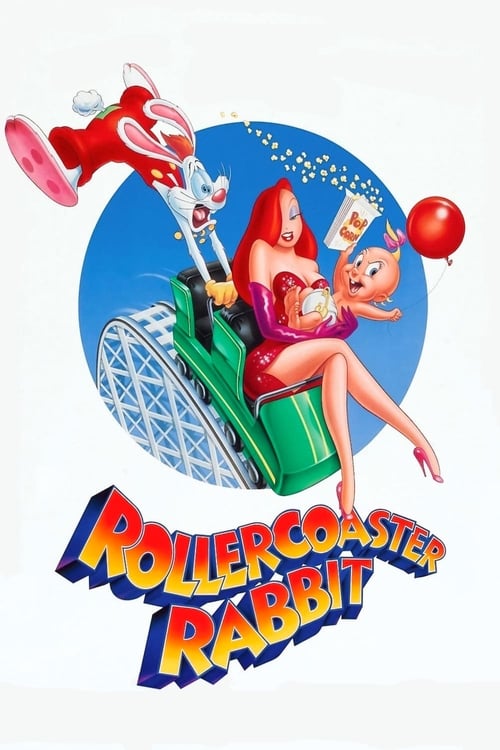
Roller Coaster Rabbit
1990
No user ratings available yet
Representation score: 2.8 out of 10

Representation Score
Limited
1989
GDirector
Rob Minkoff, Frank Marshall
Runtime
8 minutes
Average Rating
No ratings yetNew Showbiz Analysis
Tummy Trouble is a comedic vignette centered around established characters from the Roger Rabbit universe. The narrative relies on situational humor rather than challenging social norms or promoting diverse representation. The short focuses almost entirely on the interaction between two male-coded characters, resulting in limited representation of gender, race, and identity categories. Ultimately, the film prioritizes immediate comedic conflict over any attempt to challenge existing cultural hierarchies or provide a broad range of human experiences.
Category Breakdown
The film features a comedic interaction between Roger Rabbit and Baby Herman. There is no indication of LGBTQ+ identities or non-straight relationships.
The story centers on male-coded characters, particularly Roger Rabbit and Baby Herman. The short lacks female characters and does not challenge gendered power dynamics.
The film follows similar character archetypes from its predecessor. It lacks a diverse cast of anthropomorphic characters representing various backgrounds.
The story revolves around a babysitting premise using slapstick humor. It does not explore systemic social structures or deconstruct cultural institutions.
There is no evidence of characters with visible or invisible disabilities in the film.
Present on Screen
Limited or Absent
Official Synopsis
Roger Rabbit once again is chosen for the dangerous task of babysitting Baby Herman and everything is going to be just fine.
1990

1993

1996
1958
1991
1931

1992
1941
No reviews yet. Be the first to share your thoughts on this movie!
Use the rating form above to leave a star rating and optional review.