I baccanali di Tiberio
1960
No user ratings available yet
Representation score: 1.9 out of 10
Representation Score
Limited
2008
GDirector
Ian Paterson
Runtime
110 minutes
Average Rating
No ratings yetNew Showbiz Analysis
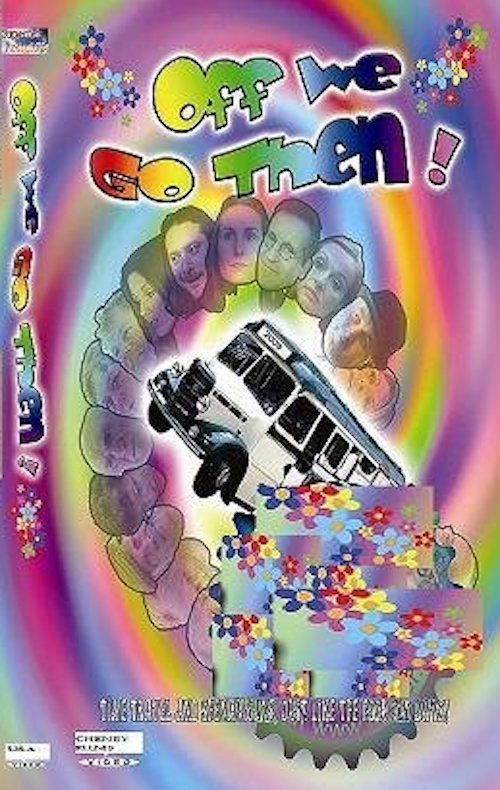
Off We Go Then relies on a speculative temporal displacement to create its comedy. By moving characters from the late 1960s to 2009, the film provides a platform to contrast shifting social hierarchies and cultural norms across four decades. However, the narrative seems to prioritize class-based friction over intentional characters who reflect more than one aspect of diversity. The comedic focus leans towards traditional formulas of social displacement rather than a deliberate deconstruction of identity-based hierarchies or systemic power dynamics. Ultimately, the film uses its period setting as a backdrop for situational humor but lacks the specific character depth needed to address diverse identities or modern social complexities effectively.
Category Breakdown
The film does not explicitly include non-traditional gender identities. There are no clear narratives that challenge the assumption that everyone is straight or cisgender.
The story heavily emphasizes class dynamics from the 1960s. It lacks specific character arcs that highlight women's ability to drive the story or challenge period-specific gender hierarchies.
Set in 1960s London, the film does not confirm a predominantly non-Anglo-Saxon cast. It lacks specific ethnic depth or actors from diverse backgrounds.
The film uses a time-shift to examine the tension between 1960s values and 2009 sensibilities. This setup allows for a critique of traditional Western institutions.
There is no documented evidence regarding the inclusion of characters with visible or invisible disabilities.
Present on Screen
Limited or Absent
Official Synopsis
Comedy, Set in the late 60's, a free tour to London attracts a variety of people from different classes, only to find half way through the journey they appear in 2009.
1960
1969
2022
1984

1999
1973
2017

2017
No reviews yet. Be the first to share your thoughts on this movie!
Use the rating form above to leave a star rating and optional review.