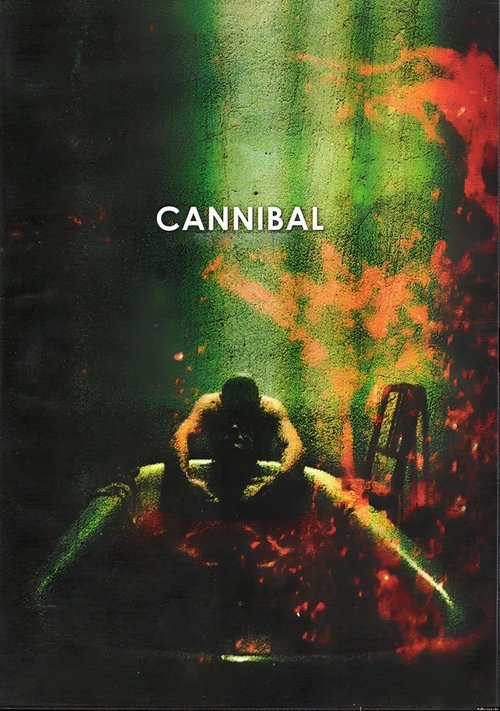
Cannibal
2006
No user ratings available yet
Representation score: 5.2 out of 10
Representation Score
Good
2007
RDirector
Ulli Lommel
Runtime
81 minutes
Average Rating
No ratings yetNew Showbiz Analysis
Ulli Lommel’s film is a transgressive character study that prioritizes the deconstruction of social and moral hierarchies over traditional representation. It finds its strength in challenging Western moral absolutes through extreme interpersonal dynamics. However, the film lacks meaningful identity-based diversity. It relies on a localized psychological framework that appears to lack racial or ethnic breadth, and it uses physical trauma as a plot mechanic rather than for representation. Ultimately, the work functions as an exploration of madness and systemic dysfunction, leaning into moral relativism rather than inclusive social casting.
Category Breakdown
The film explores a relationship that defies conventional social boundaries. While queer identities are not explicitly confirmed, the focus on taboo, consensual love suggests a departure from traditional assumptions about relationships.
The narrative disrupts traditional hierarchies by centering on a female survivor named Noelle. Her trauma challenges the concept of the stable male protector, replacing domestic stability with predatory madness.
There is no evidence of a diverse or non-Anglo-Saxon majority cast. The story focuses on a localized, psychological horror framework without utilizing racial or ethnic diversity as a driver.
The film emphasizes moral relativism by framing cannibalism as a strange act of consensual love. It prioritizes subjective psychological truths over traditional Western moral absolutes and social order.
Noelle’s physical trauma in a hospital bed serves primarily as a narrative device for retelling the plot. This depiction has little control over what happens to them, potentially using her condition merely as a tool for suspense.
Present on Screen
Limited or Absent
Official Synopsis
They met on the Internet. They fell in love. They drove to the desert and stopped at an abandoned warehouse. They wandered inside. Inside they found unspeakable horror. Only one of them survived the ordeal of CANNIBAL. From a hospital bed, an injured Noelle tells shocked police detectives a tale of cannibal terror. In recounting her ordeal, the detectives learn of an even more awful truth behind the actions of this tragic couple. Horror master Ulli Lommel's depraved tale of a modern-day CANNIBAL is based on the real-life case of a man who murdered and consumed his lover -- liver and all! -- in a strange act of consensual love. In Lommel's film of the events, two star-crossed lovers enter a world where madness rules and even a loved one can transform into a flesh-eating cannibal.
2006
1999

2019

2007

2010

1988
2006
1973
No reviews yet. Be the first to share your thoughts on this movie!
Use the rating form above to leave a star rating and optional review.