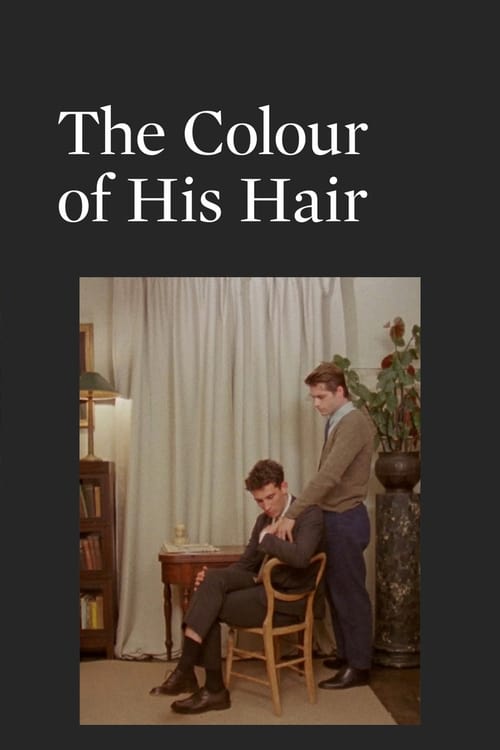
The Colour of His Hair
2017
No user ratings available yet
Representation score: 4.8 out of 10

Representation Score
Excellent
2014
Director
Stefan Haupt
Runtime
102 minutes
Average Rating
No ratings yetNew Showbiz Analysis
The Circle is a significant historical document that captures the transition from secret queer communities to organized activism. It portrays identity as a force for systemic social change rather than just a personal characteristic. The film's main strength lies in its portrayal of queer characters as active agents of political and social transformation. By focusing on a real-world organization, it offers a nuanced look at how underrepresented groups challenge oppressive institutions. However, the film's historical setting restricts its exploration of racial diversity and broader social contexts.
Category Breakdown
The film highlights the role of a gay organization in promoting social change in Europe. It centers on queer characters who play active roles in political movements.
The narrative challenges traditional gender roles by featuring a transvestite star and highlighting the social vulnerabilities of its male characters. It disrupts conventional ideas of masculinity and femininity.
The cast is primarily white, reflecting the demographics of 1950s Zurich. This historical context limits the film's exploration of racial diversity.
The story critiques the oppressive legal and social structures of 1950s Western society. It emphasizes the lived experiences of a underrepresented community, challenging dominant social norms.
The film explores the psychological and physical challenges faced by individuals who were viewed as non-conforming by society. Characters maintain control despite societal stigma and medical labels.
Present on Screen
Limited or Absent
Official Synopsis
A young teacher in Zurich in the 1950s falls in love with a transvestite star but is torn between his bourgeois existence and his commitment to homosexuality. He joins a gay organization that is eventually seen as the pioneer of gay emancipation in Europe.
2017

2021

1992
1984

2015
2019

1996
1996
No reviews yet. Be the first to share your thoughts on this movie!
Use the rating form above to leave a star rating and optional review.