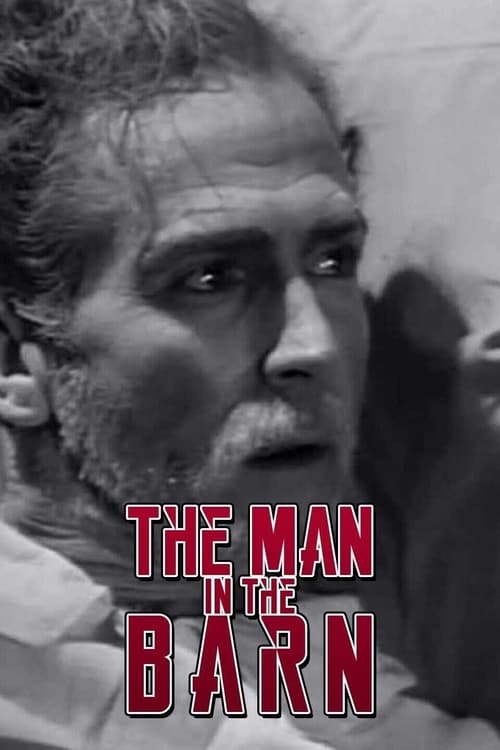
The Man in the Barn
1937
No user ratings available yet
Representation score: 1.2 out of 10
Representation Score
Limited
1937
NRDirector
Jacques Tourneur
Runtime
10 minutes
Average Rating
No ratings yetNew Showbiz Analysis
The film operates as a speculative historical documentary that gains its diversity value through its central premise. By suggesting that a French monarch was raised by Indigenous Americans, the work disrupts standard Eurocentric historical narratives. While the film lacks representation for LGBTQ+ and disabled individuals, it succeeds in challenging the isolation of Western historical figures. It uses a cross-cultural lens to explore how identity can be redistributed outside of traditional European power structures. Ultimately, the work's strength lies in its willingness to engage with racial and cultural diversity, even though it remains focused on patriarchal royal lineages.
Category Breakdown
The film does not include any LGBTQ+ characters or themes related to queer identities. It focuses solely on the political lineage and survival of a family.
The story centers around the survival of a male heir and his royal parents. It does not provide female characters with significant roles or challenge traditional gender hierarchies.
The film's premise combines European royalty with Indigenous American cultures. This breaks Eurocentric history by highlighting a non-Anglo-Saxon presence in a high-status context.
The film uses historical revisionism to question the divine right of the French monarchy. It suggests a narrative where power shifts outside traditional European structures.
There is no mention of characters with physical, neurodivergent, or mental health conditions.
Present on Screen
Limited or Absent
Official Synopsis
This short explores the possibility that Louis XVII, son of King Louis XVI and Marie Antoinette, escaped death during the French Revolution and was raised by Indians in America.
1937
1982

1938

2006

1938
2021
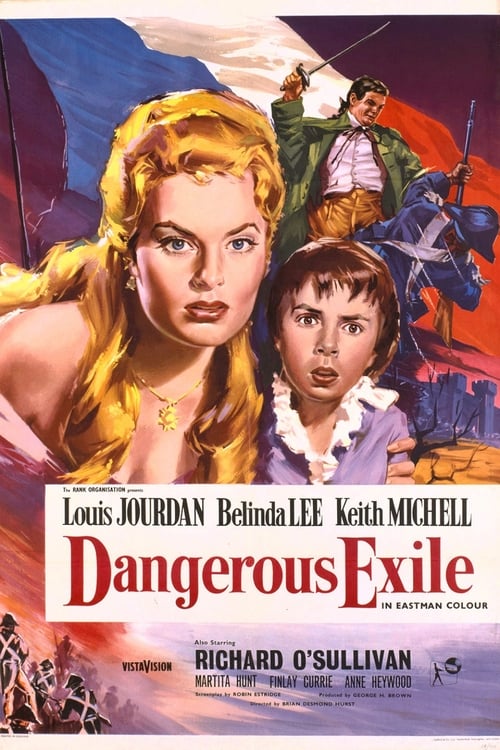
1957
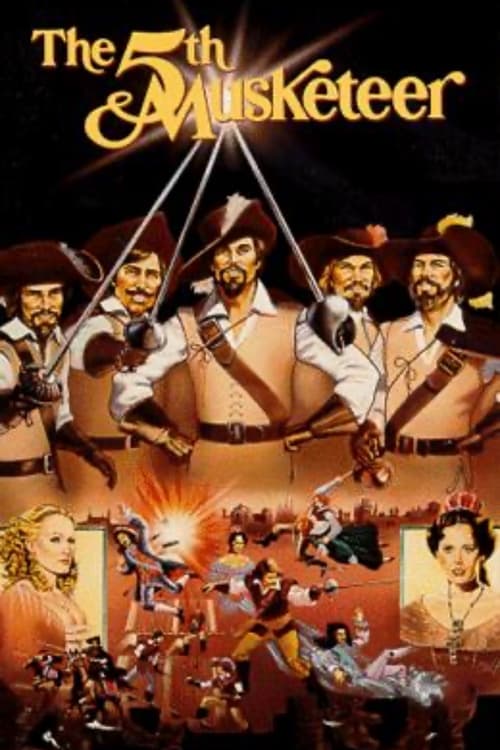
1979
No reviews yet. Be the first to share your thoughts on this movie!
Use the rating form above to leave a star rating and optional review.