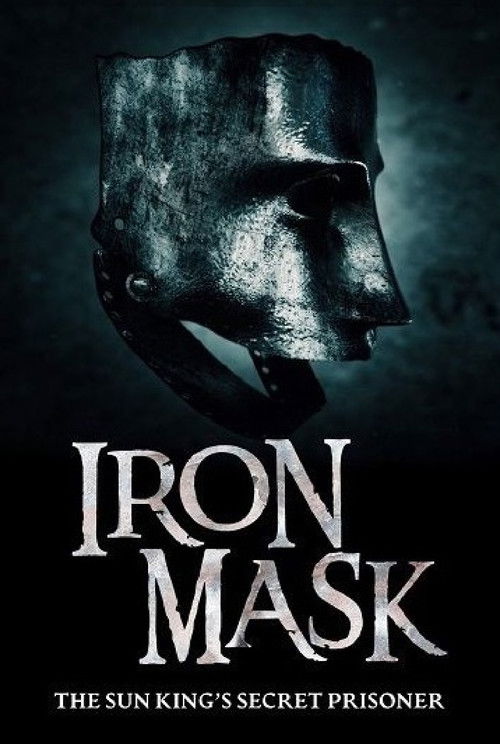
Iron Mask: The Sun King's Secret Prisoner
2021
No user ratings available yet
Representation score: 2.2 out of 10
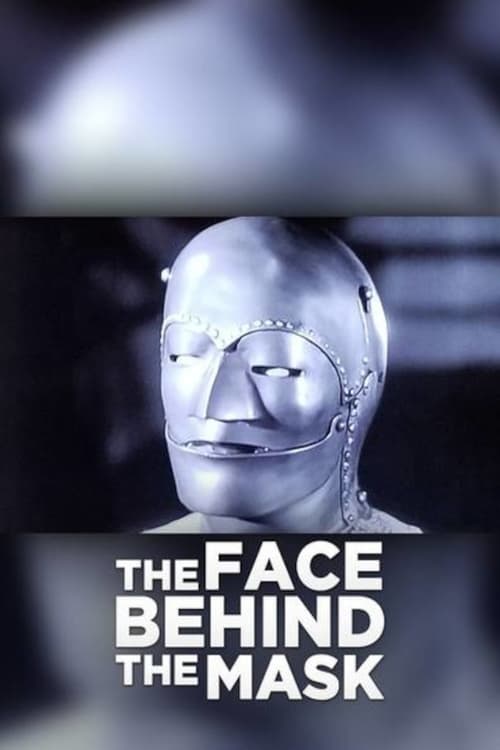
Representation Score
Limited
1938
NRDirector
Jacques Tourneur
Runtime
11 minutes
Average Rating
No ratings yetNew Showbiz Analysis
Jacques Tourneur’s short film prioritizes atmospheric suspense and the reconstruction of a historical enigma over social commentary. The narrative architecture focuses on the tension between the monarchy and the individual, using the mask as a symbol of identity erasure. Because the film is a period-specific mystery, it adheres to the demographic and social hierarchies of the 17th century and the 1930s. It does not attempt to disrupt traditional power structures or provide characters who reflect more than one aspect of diversity. Ultimately, the work functions as a genre-driven investigation of a legend. It lacks the progressive social critique necessary to improve its diversity metrics.
Category Breakdown
The film centers on a historical mystery involving a masked figure. It does not include any LGBTQ+ identities or narratives that critique heterosexual norms.
The narrative follows traditional 17th-century hierarchies and 1930s production standards. It lacks significant roles for women and does not challenge masculine leadership.
Set within the French monarchy, the film reflects the homogeneous demographic standards of its time. The focus is on a white European political mystery.
The film explores the tension between the individual and absolute state power. It functions as a historical reconstruction rather than a critique of Western institutions.
The protagonist's mask serves as a tool of political imprisonment. This risks using a physical constraint as a mere plot device for mystery.
Present on Screen
Limited or Absent
Official Synopsis
This dramatized short film describes the historical mystery of France's "man in the iron mask". King Louis XIV imprisoned a man who was never identified, but who was forced to wear an iron mask for the length of his captivity, which ended only in his death. Several candidates for the identity of the man are investigated.
2021
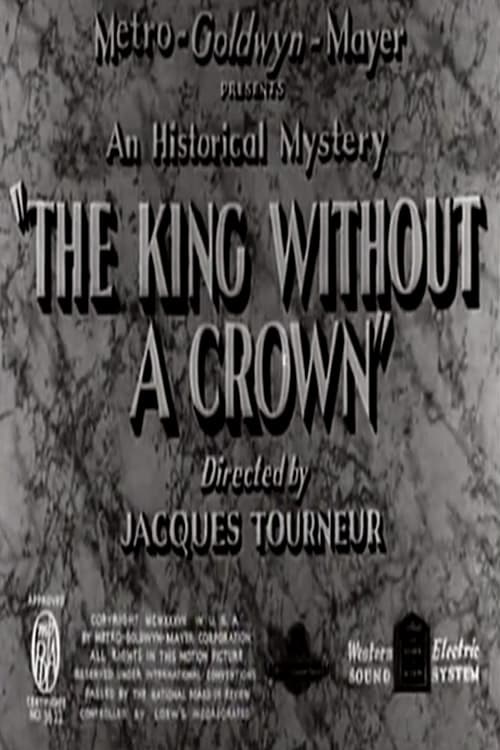
1937

1937

1938
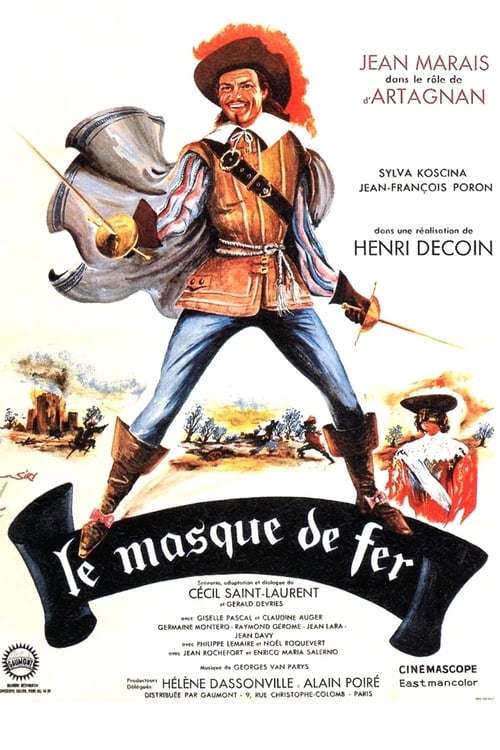
1962
No reviews yet. Be the first to share your thoughts on this movie!
Use the rating form above to leave a star rating and optional review.