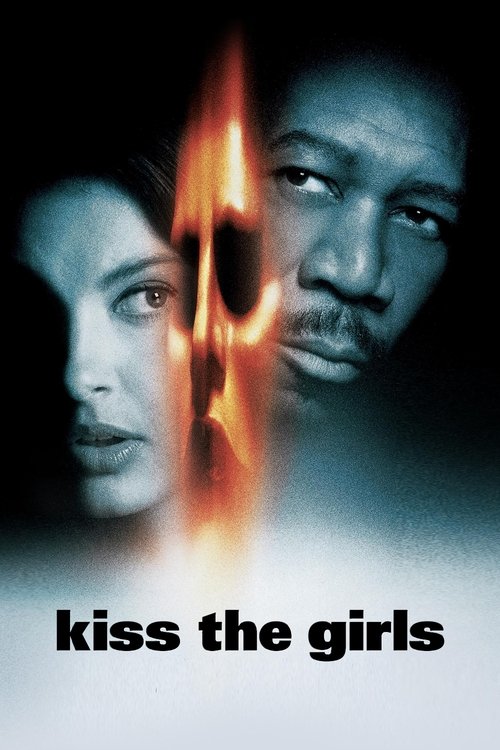
Kiss the Girls
1997
No user ratings available yet
Representation score: 2.8 out of 10

Representation Score
Fair
1991
RDirector
Jonathan Demme
Runtime
119 minutes
Average Rating
No ratings yetNew Showbiz Analysis
The film argues that competence and integrity, regardless of gender, are the true measures of worth. Clarice Starling’s journey from trainee to agent is framed as a meritocratic triumph, where her intellect and empathy outmatch the brute force and manipulation of the men around her. The narrative positions the FBI as a functional, just institution that rewards hard work and punishes evil. While it acknowledges the trauma of its victims and the pathology of its killers, it ultimately restores order through professional competence and individual resilience. The last moral word belongs to Clarice, who is validated by her superiors and her own success.
Category Breakdown
Buffalo Bill’s mistaken belief that he is a transsexual drives his violence, but the film treats this as pathology rather than identity. No other characters are LGBTQ+; the focus remains on the killer’s distorted view of gender.
Clarice Starling, a female trainee, outperforms male colleagues and solves the case through intellect. Men like Chilton and Gumb are framed as incompetent or predatory, while Clarice retains authority and receives the promotion.
Ardelia Mapp is a competent Black FBI agent who supports Clarice, but she is a secondary character. The rest of the cast is white, and racial dynamics are not central to the plot or character development.
The FBI is portrayed as a competent, meritocratic institution where hard work is rewarded. Clarice’s modest background is respected, and her father’s sacrifice is treated with dignity. Traditional family values are honored without being mocked.
No characters have lasting physical or cognitive impairments that are central to their identity. Buffalo Bill’s body modification is a plot device for horror, not a representation of disability or fatness as a lived experience.
Present on Screen
Limited or Absent
Official Synopsis
Clarice Starling is a top student at the FBI's training academy. Jack Crawford wants Clarice to interview Dr. Hannibal Lecter, a brilliant psychiatrist who is also a violent psychopath, serving life behind bars for various acts of murder and cannibalism. Crawford believes that Lecter may have insight into a case and that Starling, as an attractive young woman, may be just the bait to draw him out.
1997
1971
2001
1971
2002

1992
2021

1999
No reviews yet. Be the first to share your thoughts on this movie!
Use the rating form above to leave a star rating and optional review.