The Immortalizer
1990
No user ratings available yet
Representation score: 4.1 out of 10
Representation Score
Fair
1960
Director
Gilberto Martínez Solares
Runtime
82 minutes
Average Rating
No ratings yetNew Showbiz Analysis
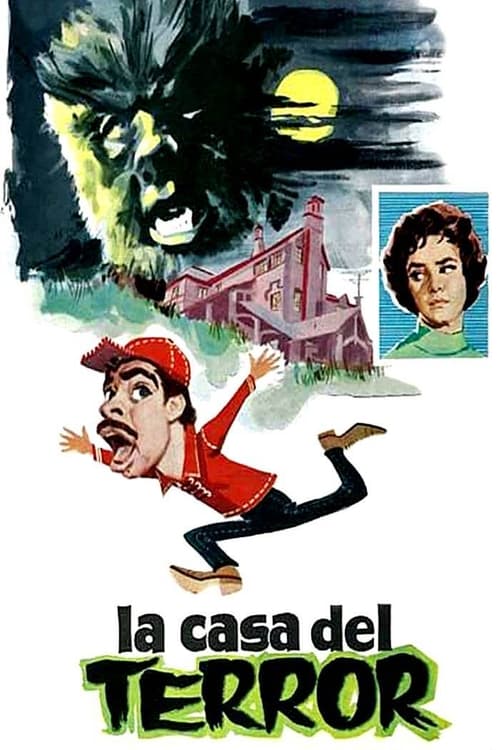
House of Terror (1960) is a product of its time, focusing on genre excitement rather than diverse representation. The film centers on a male-dominated group of scientists and workers. While the film offers a subtle critique of class tensions between intellectuals and workers, it does not provide meaningful representation of underrepresented groups. The use of Egyptian motifs adds an exotic touch but remains tied to mid-century horror clichés. Overall, the film is a classic example of Mexican genre cinema that does not intentionally include diverse demographics.
Category Breakdown
The film does not show any non-straight or non-cisgender identities or same-sex relationships. It follows the typical social norms of 1960s Mexican cinema.
The story focuses on a male-dominated group including the Professor, his henchmen, and Casimiro. This setup emphasizes traditional gender roles where men hold power.
Egyptian themes are used to create a mysterious atmosphere. However, these elements might just be used as ethnic clichés rather than meaningful representation.
The story criticizes corrupt institutions through unethical science and the exploitation of workers. It focuses more on genre clichés than deeper cultural issues.
There are no characters with visible or hidden disabilities that have real control over their lives. Casimiro’s drowsiness is used for humor rather than a serious look at health issues.
Present on Screen
Limited or Absent
Official Synopsis
Casimiro, night watchman at a wax museum of horrors, is even more sleepy than his usual laziness makes him - because his boss, the Professor, is secretly draining blood from him while he dozes to use in experiments in raising the dead. These haven't worked so far, and the bodies have been waxened and placed on display in the museum to cover his crimes. His big chance seems to come, however, when he learns that the mummified body of a modern man has been found in an Egyptian sarcophagus. The professor and his two henchmen steal the body and take it back to his lab - where the experiment flops again.
1990

1958
1973
1964

1953

1985
1989
1958
No reviews yet. Be the first to share your thoughts on this movie!
Use the rating form above to leave a star rating and optional review.