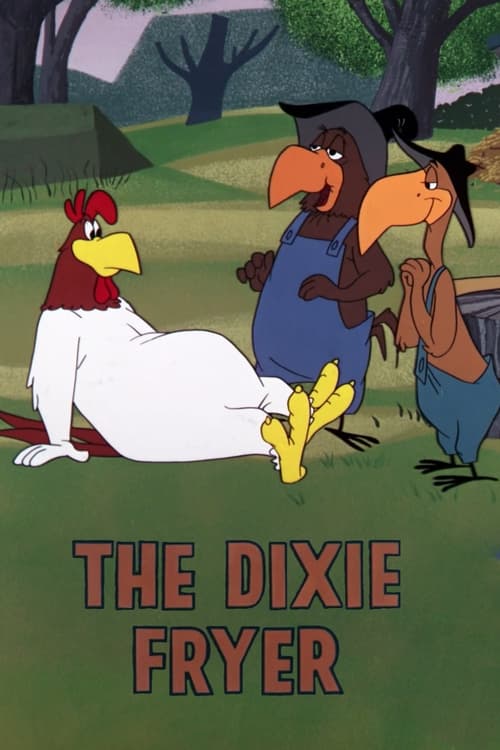
The Dixie Fryer
1960
No user ratings available yet
Representation score: 0.7 out of 10
Representation Score
Minimal
1960
Director
Friz Freleng
Runtime
6 minutes
Average Rating
No ratings yetNew Showbiz Analysis
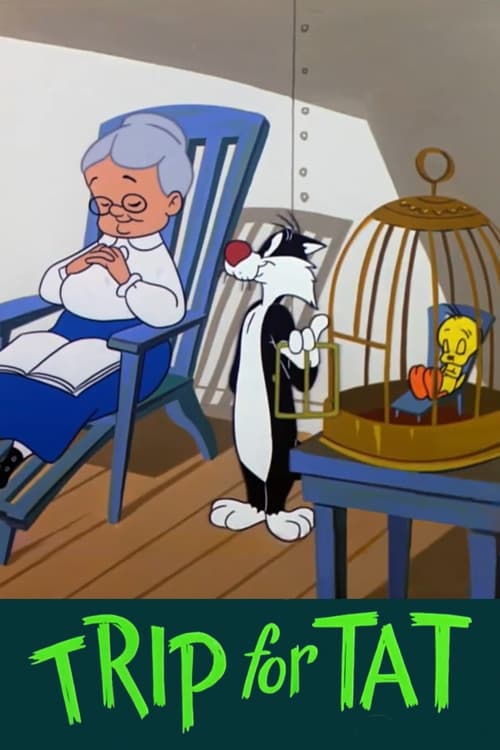
Trip for Tat is a product of the 1960s studio system, emphasizing slapstick humor and character-driven physical comedy over social critique. The film adheres to the era's established social and narrative constraints, focusing on traditional comedic elements. While the film showcases a variety of international settings during its world tour, the representation remains superficial. These diverse locations primarily serve as scenic backdrops rather than deep explorations of different cultures or identities. Ultimately, the film relies on conventional archetypes and domestic clichés, lacking the intentional deconstruction of social hierarchies or the representation of diverse identities found in more contemporary animation.
Category Breakdown
The story centers around the traditional relationship between Tweety Bird and Granny, with no indication of non-traditional gender identities or challenges to the assumption that everyone is straight or cisgender.
Granny is shown in a caretaking role, fitting traditional mid-century maternal stereotypes. The conflict revolves around Sylvester's predatory behavior rather than gender-based power dynamics.
The film features a world tour through various countries like France, Japan, Switzerland, and Italy, showcasing diverse settings. However, these locations primarily serve as scenic backdrops rather than exploring the ability to act of different ethnic groups.
The narrative follows traditional Western storytelling conventions, celebrating a form of leisure and travel without critiquing Western institutions.
There is no depiction of physical or neurodivergent disabilities in the film.
Present on Screen
Limited or Absent
Official Synopsis
Tweety Bird goes on a world tour with his mistress, Granny. And a hungry Sylvester Cat follows them everywhere they go (France, Japan, Switzerland, and Italy).
1960
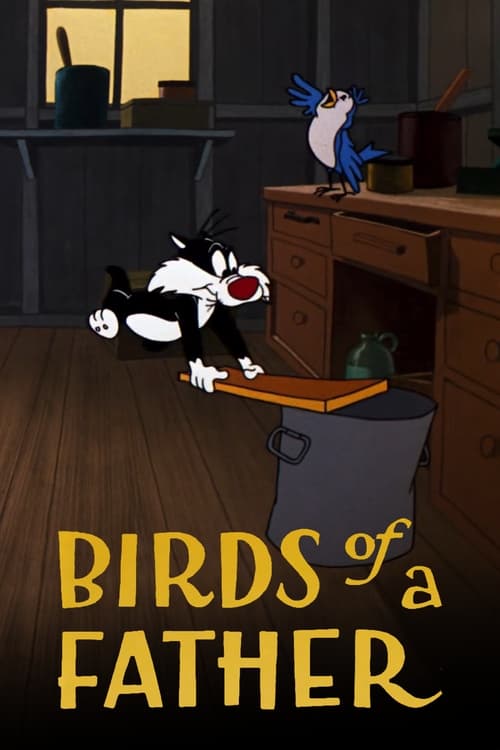
1961
2010

1950
1949
1961
1952
1954
No reviews yet. Be the first to share your thoughts on this movie!
Use the rating form above to leave a star rating and optional review.