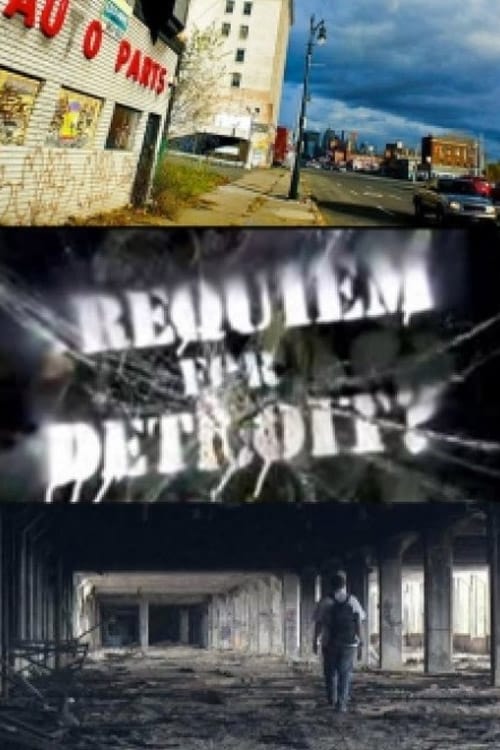
Detroit: Wild City
2010
No user ratings available yet
Representation score: 5.7 out of 10
Representation Score
Good
2010
Director
Julien Temple
Runtime
76 minutes
Average Rating
No ratings yetNew Showbiz Analysis
Julien Temple’s documentary reframes Detroit’s industrial decline as a catalyst for decentralized, grassroots ability to act. By focusing on urban agriculture, the film shifts the narrative from urban decay to community resilience and the restructuring of social power. The film excels in its exploration of racial and cultural dynamics, highlighting how underrepresented populations drive socio-economic recovery through non-traditional land use. This provides a sophisticated critique of capitalist structures. However, the film lacks specific evidence regarding LGBTQ+ and gendered identities. While the subject matter implies diverse social networks, the narrative does not provide concrete depictions of these specific identities.
Category Breakdown
The documentary does not explicitly detail specific LGBTQ+ identities. The score reflects a neutral baseline within a subject matter that often involves diverse social networks.
The film explores grassroots movements that move away from traditionally masculine-dominated industrial hierarchies. However, specific character arcs related to gendered ability to act are not verified.
The narrative centers on Detroit's complex racial history and demographic shifts. It highlights underrepresented communities reclaiming land and resources through urban agriculture.
The film engages with themes of anti-capitalism and critiques traditional Western economic structures. It explores decentralized, communal approaches to survival and social organization.
There is insufficient evidence to determine the portrayal of physical or neurodivergent identities in this documentary.
Present on Screen
Limited or Absent
Official Synopsis
A look at post-industrial Detroit and its burgeoning urban agricultural movement.
2010

2000

2015
2000

2008

2013

2010
1978
No reviews yet. Be the first to share your thoughts on this movie!
Use the rating form above to leave a star rating and optional review.