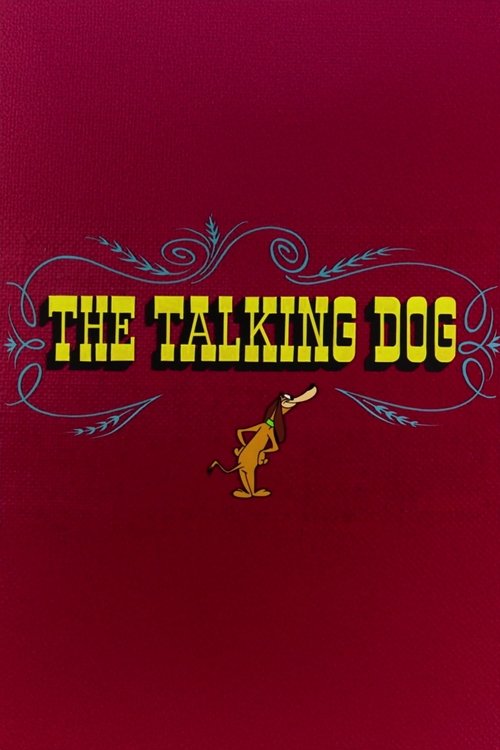
The Talking Dog
1956
No user ratings available yet
Representation score: 0.4 out of 10
Representation Score
Minimal
1945
ApprovedDirector
Dave Tendlar
Runtime
7 minutes
Average Rating
No ratings yetNew Showbiz Analysis
A Self-Made Mongrel is a conventional mid-century animated short that emphasizes individualistic pursuits of status. The story relies on established clichés of domestic security and class hierarchy rather than diverse perspectives. The film lacks representation of multiple aspects of diversity, focusing instead on a narrow social environment. Characters and themes reflect the traditional, homogeneous structures common in 1945 animation.
Category Breakdown
The story revolves around a domestic interaction between an eccentric owner and a canine companion. There is no indication of LGBTQ themes or non-cisgender identities.
The plot centers on a male eccentric and a male-coded dog. The absence of female characters suggests a focus on traditional, male-centric roles.
The setting involves a wealthy individual and a pet without specific racial descriptions. The narrative appears to default to a homogeneous social environment.
Themes explore class and the distinction between pedigreed and mongrel dogs. The story aligns with traditional morality tales about property and security.
There is no evidence of characters dealing with physical, sensory, or neurodivergent conditions within the film's narrative.
Present on Screen
Limited or Absent
Official Synopsis
A wealthy eccentric owns a talking mongrel dog, and the dog, deciding to upgrade his pedigree, decides he is a born watch-dog. The owner puts on a mask with the intention of breaking into his own house and testing the dog's abilities. But, before he breaks in, a real burglar does so, and has taken over the house and the self-proclaimed self-made protector.
1956
1945
1975
1951
1942

1935
1938
1950
No reviews yet. Be the first to share your thoughts on this movie!
Use the rating form above to leave a star rating and optional review.