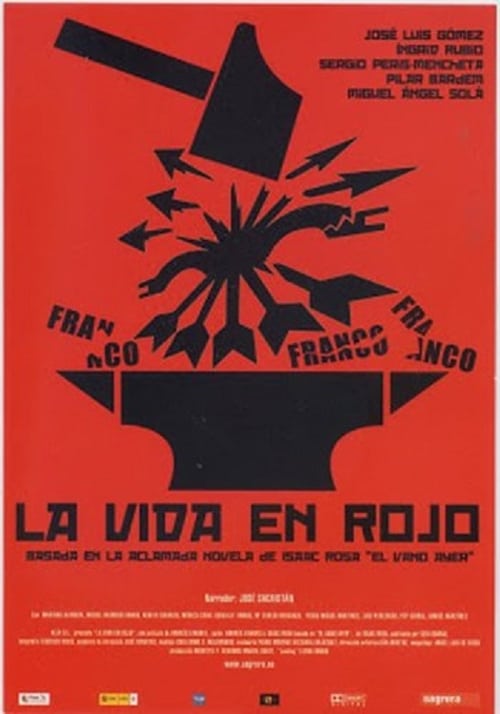
La vida en rojo
2008
No user ratings available yet
Representation score: 6.9 out of 10
Representation Score
Good
2008
Director
Juan Carlos Valdivia
Runtime
100 minutes
Average Rating
No ratings yetNew Showbiz Analysis
Juan Carlos Valdivia’s drama is a sophisticated exploration of cinematic deconstruction. It moves away from celebratory national narratives to examine the psychological impact of political transitions and systemic trauma. The film challenges traditional authority and the stability of the patriarchal figure. It provides a nuanced look at how political radicalism affects the domestic sphere and individual identity. However, the work is limited by a narrow demographic focus. The absence of LGBTQ+ identities and ethnic diversity restricts the film's breadth, keeping the perspective centered on a specific socioeconomic stratum.
Category Breakdown
The film does not include any explicit LGBTQ+ characters or identities that challenge the assumption that everyone is straight or cisgender. The story centers on the political history and family dynamics of the main character.
The story challenges traditional masculine dominance by focusing on the male protagonist's emotional struggles and vulnerabilities. It avoids depicting the father as a stable, competent leader.
The film focuses on a predominantly white, urban middle-class population in Santiago. It lacks diverse ethnic casting and multi-layered racial dynamics.
The film excels at critiquing traditional institutions and deconstructing social myths. It explores the fragmentation of memory and the subjectivity of truth in post-dictatorship Chile.
There are no prominent depictions of physical or neurodivergent disabilities. Psychological trauma is addressed as a thematic element rather than a representation of disability.
Present on Screen
Limited or Absent
2008

2008
2008

2012

2008

1989
2024
1991
No reviews yet. Be the first to share your thoughts on this movie!
Use the rating form above to leave a star rating and optional review.