
Lovers Vanished
2010
No user ratings available yet
Representation score: 7.9 out of 10
Representation Score
Excellent
2011
Director
Gu Changwei
Runtime
101 minutes
Average Rating
No ratings yetNew Showbiz Analysis
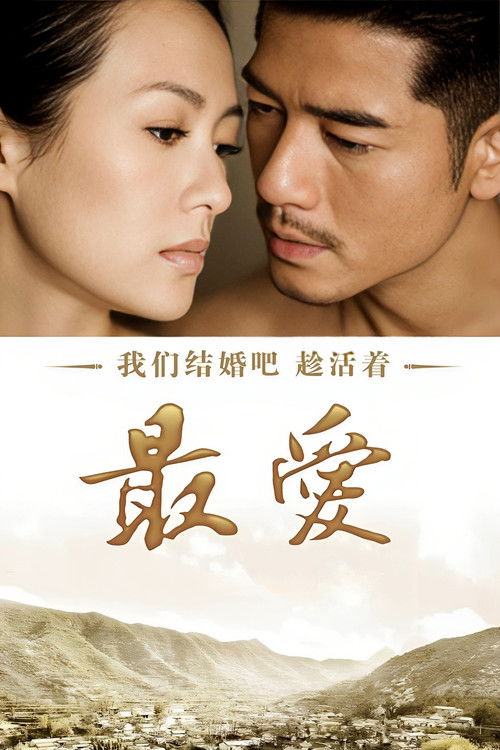
Love for Life is a somber, character-driven drama that centers on social exclusion. By focusing on individuals affected by the illicit blood trade, the film explores how systemic corruption and social stigma reshape personal identities and connections. The narrative excels in its authentic portrayal of a specific Chinese social crisis. It moves away from globalized cinematic clichés to provide a nuanced look at how chronic illness and community abandonment affect those who are excluded. While the film offers a profound critique of traditional social institutions, it remains a localized study. The focus on health-based exclusion rather than broader identity politics limits its scope in certain representation categories.
Category Breakdown
The film explores the relationship between two individuals who face social rejection. However, it focuses more on shared medical experiences rather than explicitly addressing LGBTQ+ identities or challenging assumptions about straight relationships.
De Yi and Qinqin show emotional strength and play a significant role in driving the story despite systemic neglect. The film challenges traditional hierarchies by highlighting their shared vulnerability in a small village setting.
This localized Chinese production avoids Western casting norms. It provides an authentic look at regional social crises, particularly the impact of the illicit blood trade.
The story critiques traditional communal and familial structures by showing the protagonists' estrangement due to social stigma. It portrays the village as a place where systemic failures occur.
HIV status is a central part of the characters' lived experiences. The film avoids clichés, focusing instead on how chronic illness shapes human connections.
Present on Screen
Limited or Absent
Official Synopsis
Set in a small Chinese village where HIV virus is spreading rapidly as a result of illicit blood trade, Mo shu wai zhuan revolves around De Yi and Qinqin are both estranged from their respective family because of their disease and unexpectedly find love with each other by their misfortunes.
2010
1986

2005
2009
1989

2012
2019
2020
No reviews yet. Be the first to share your thoughts on this movie!
Use the rating form above to leave a star rating and optional review.