
Tori and Lokita
2022
No user ratings available yet
Representation score: 9.2 out of 10
Representation Score
Good
2018
Director
Ann-Kristin Reyels
Runtime
86 minutes
Average Rating
No ratings yetNew Showbiz Analysis
The film provides a nuanced look at contemporary European social dynamics by focusing on the intersection of migration and youth identity. By highlighting Miro's Ukrainian background, the story moves beyond a single national perspective to include the complexities of the migrant experience. Additionally, the film deconstructs traditional masculinity. Instead of relying on aggressive archetypes, it emphasizes the emotional depth and vulnerability of its young male characters. This approach adds significant nuance to the portrayal of boyhood. While the film offers strong cultural and ethnic perspectives, it lacks specific representation regarding disability. The exploration of LGBTQ+ themes remains subtle and centered on emotional intimacy rather than explicit labels.
Category Breakdown
The film explores a close, emotional bond between two young males, leaving the nature of their relationship undefined but emphasizing their intimate connection and emotional closeness.
The story challenges traditional masculine stereotypes by highlighting the vulnerability and emotional depth of its young male characters, moving away from tough stoicism to focus on feelings and emotions.
The film strengthens representation by featuring Miro, a Ukrainian boy living near the German-Czech border. His presence introduces a migrant perspective that challenges a uniform view of Europe.
The narrative examines the impact of geopolitical borders on personal ability to act and family stability. It uses the tension of border regions to explore how shifting social structures affect individuals.
There is no evidence within the narrative regarding the portrayal of physical or neurodivergent disabilities.
Present on Screen
Limited or Absent
Official Synopsis
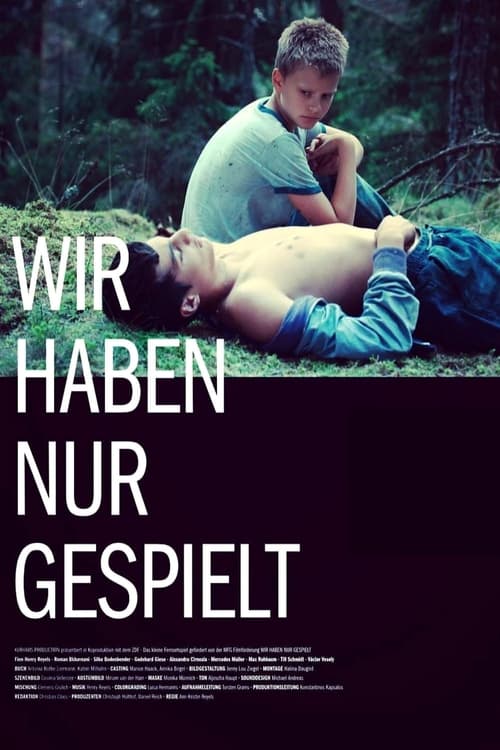
Two boys from different worlds. Of all possible times, the start of summer vacation is when 10-year-old Jona has to move away from Berlin to the German-Czech border with his mother and new stepfather. He's lonely and angry as he inspects his new surroundings. Across the border, he meets Miro, a 13-year-old Ukrainian boy. Jona is fascinated by the confident but taciturn boy, only slowly discovering the fate that's hidden behind Miro's grown-up façade.
2022
2018

2020
2016

2021
2008

2013

2007
No reviews yet. Be the first to share your thoughts on this movie!
Use the rating form above to leave a star rating and optional review.