Haunted
1993
No user ratings available yet
Representation score: 0.4 out of 10
Representation Score
Good
1982
Director
Antonio Mercero
Runtime
82 minutes
Average Rating
No ratings yetNew Showbiz Analysis
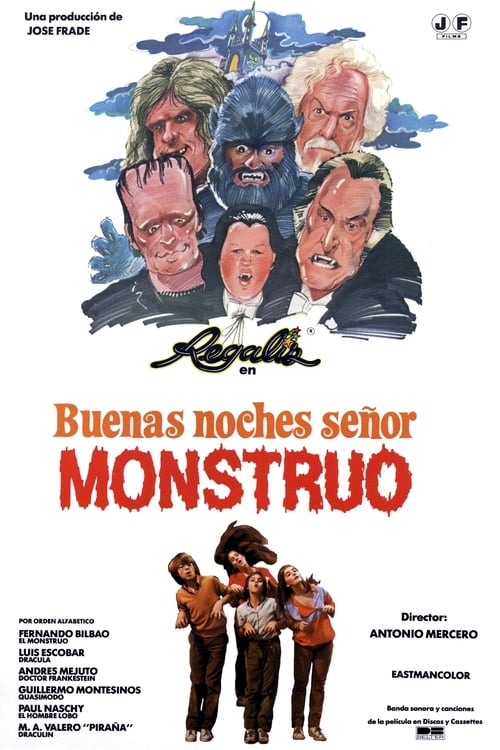
Good Night, Mr. Monster operates as a genre-bending fantasy that deconstructs classic horror archetypes. It shifts the power dynamic by giving ability to act to children and underrepresented monsters, moving away from simple predator-prey clichés. However, the film is limited by its reliance on Eurocentric folklore and traditional Gothic settings. This results in a lack of racial and ethnic diversity, keeping the narrative within a narrow Western framework. While the film offers some nuance through character-driven motivations and the inclusion of physical difference, it lacks modern multi-layered markers regarding LGBTQ+ identity and specific gender dynamics.
Category Breakdown
The film does not include explicit representations of LGBTQ+ identities or relationships. It focuses on children and classic monsters without showing LGBTQ+ characters taking significant roles in the story.
The narrative centers around children who confront monstrous authorities, disrupting traditional power structures. However, the gender distribution among the protagonists is not specified.
The film relies on Eurocentric Gothic traditions and Universal Monster archetypes. It stays within a traditional Western framework without showcasing a multicultural cast.
The story challenges traditional authority by giving monsters complex, sympathetic motivations, introducing moral relativism instead of portraying them as purely evil.
The inclusion of Quasimodo provides a narrative engagement with physical differences. This integrates a non-normative body into the central plot alongside the other characters.
Present on Screen
Limited or Absent
Official Synopsis
Four kids get lost in the forest in the middle of a storm and go take refuge in an abandoned castle. There they will meet and face Dracula, the Werewolf, Quasimodo and Doctor Frankenstein. Despite the attempts of the monsters to scare them and, in passing, recover their lost prestige, the children, with the help of Count Dracula's son, will face the evil creatures.
1993
1948
1967
1987

1974
1995

2012
1985
No reviews yet. Be the first to share your thoughts on this movie!
Use the rating form above to leave a star rating and optional review.