Lorenzo
2004
No user ratings available yet
Diversity score: 2.8 out of 10
1967
NRDirector
Jules Bass
Runtime
94 minutes
Average Rating
No ratings yetSynopsis
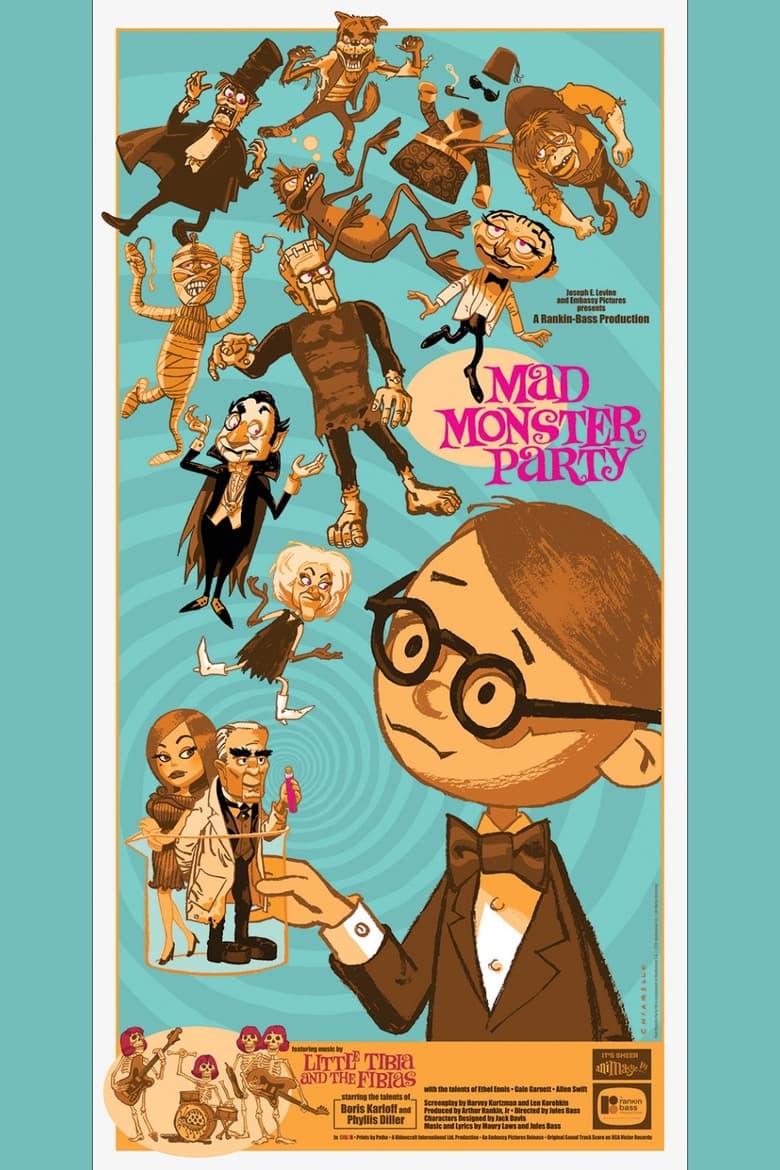
When Dr Frankenstein decides to retire from the monster-making business, he calls an international roster of monsters to a creepy convention to elect his successor. Everyone is there including Dracula, The Werewolf, The Creature, Dr Jekyll & Mr Hyde and many more. But Frankenstein's title is not all that is at stake. The famous doctor has also discovered the secret of total destruction that must not fall into the wrong hands!
Overall Score
Limited
Category Breakdown
LGBTQ+ Representation
The film focuses entirely on parodying classic horror archetypes. There is no evidence of queer subtext or identity-driven storytelling within this ensemble.
Gender Representation
Female characters like the Bride of Frankenstein appear within established genre tropes. The narrative remains tethered to parody rather than subverting gendered power structures.
Racial & Ethnic Diversity
The stop-motion fantasy lacks a diverse human cast. Characters are defined by species and horror lineage rather than racial or ethnic identities.
Religious & Cultural Diversity
The film uses monsters as comedic social actors to disrupt the good versus evil binary. It focuses on genre absurdity rather than explicit cultural critiques.
Disability Representation
Monsters possess physical deviations, but these are treated as genre staples. The film uses these differences for comedic effect rather than nuanced representation.
Strengths
Areas for Improvement
AI Analysis
Mad Monster Party? functions primarily as a stylistic pastiche of Universal and Hammer Horror cinema. It succeeds in humanizing terrifying icons through comedy, yet it lacks any meaningful engagement with systemic identity politics or intersectional representation. The film's world is a closed ecosystem of archetypal creatures. Because the characters are defined by their mythological lineage rather than human social identities, the narrative misses opportunities for racial, ethnic, or queer representation. Ultimately, the work prioritizes the aesthetic reimagining of cinematic history over progressive social commentary. It remains a product of its era, focusing on genre deconstruction rather than the advancement of diverse social narratives.
No reviews yet. Be the first to share your thoughts on this movie!
Use the rating form above to leave a star rating and optional review.