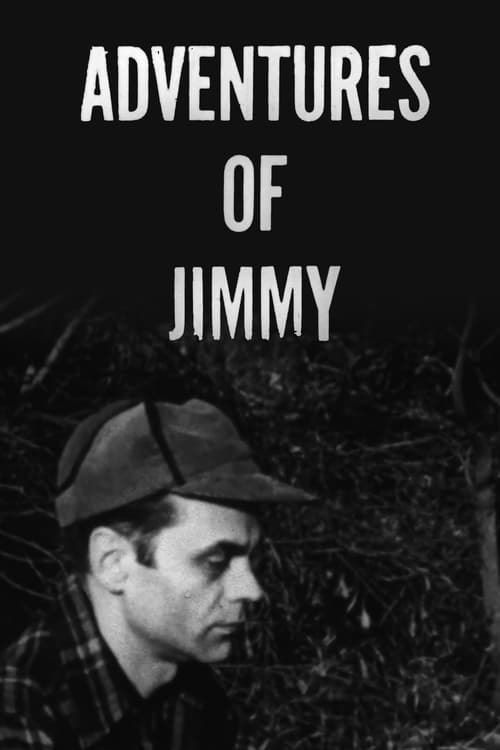
Adventures of Jimmy
1951
No user ratings available yet
Representation score: 5.3 out of 10
Representation Score
Fair
1948
Director
James Broughton
Runtime
22 minutes
Average Rating
No ratings yetNew Showbiz Analysis
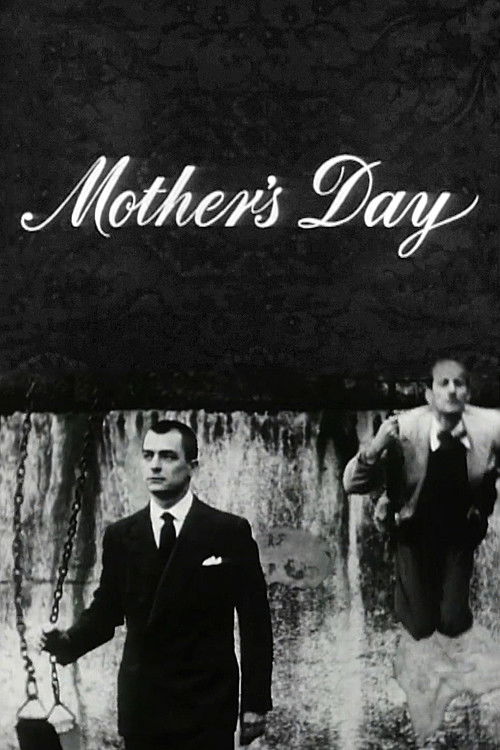
James Broughton’s *Mother's Day* stands out as a bold departure from the rigid, moralistic domestic dramas of the late 1940s. Through avant-garde techniques, the film dismantles traditional hierarchies and explores the darker, primal aspects of human nature. While the film excels at challenging traditional gender roles and family structures, it remains constrained by the social limitations of its time. The absence of LGBTQ+ and racial diversity limits its overall impact despite its experimental courage. Ultimately, the film’s strength lies in its refusal to rely on stable, conventional archetypes, opting instead for a poetic and surreal exploration of identity and ritual.
Category Breakdown
The film does not include explicit representations of LGBTQ+ identities or relationships outside of traditional heterosexual ones. While the surreal setting allows for varied interpretations of sensuality, there are no clear narratives centered around LGBTQ+ experiences.
The film disrupts traditional mid-century domestic roles by focusing on the female experience. It challenges the typical mother figure through surreal imagery, delving into complex themes of sensuality and cruelty.
The cast appears to be predominantly white Australians. The film lacks diverse ethnic representation, reflecting the social limitations of the 1948 Australian independent film industry.
The film replaces traditional Western domestic ideals with a ritualistic, non-linear structure emphasizing subjective morality and individual perspective. It contrasts this with the idealized, moralistic family depictions common in the post-war era.
There is no indication of characters with visible or invisible disabilities being used as plot devices or given specific ability to act.
Present on Screen
Limited or Absent
Official Synopsis
Accepting the potentialities of the medium to manipulate both time and space, Broughton brings past and present head-on as he regards with adult feelings his childhood family and friends. Grown-ups romp like children, and by their magnified infantilism playfully underscore such basic traits as sadism, sensuality, arid egocentricity. (Melbourne International Film Festival)
1951
1932
1973

1950

1971
1968
1983

1954
No reviews yet. Be the first to share your thoughts on this movie!
Use the rating form above to leave a star rating and optional review.