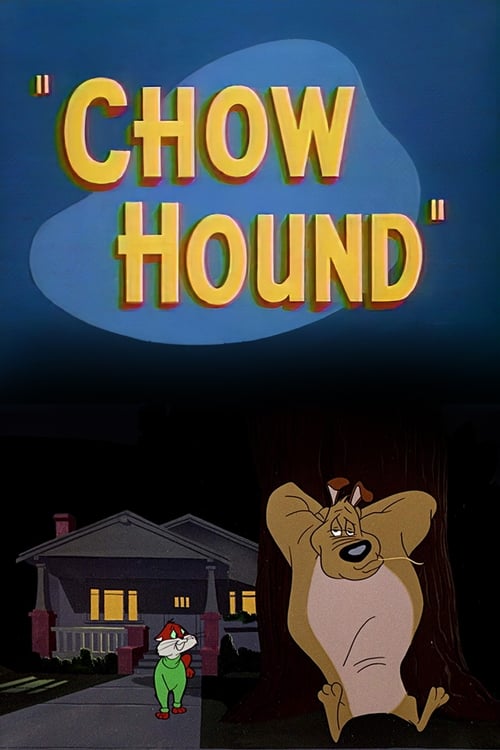
Chow Hound
1951
No user ratings available yet
Representation score: 0.2 out of 10
Representation Score
Minimal
1951
ApprovedDirector
Chuck Jones
Runtime
7 minutes
Average Rating
No ratings yetNew Showbiz Analysis
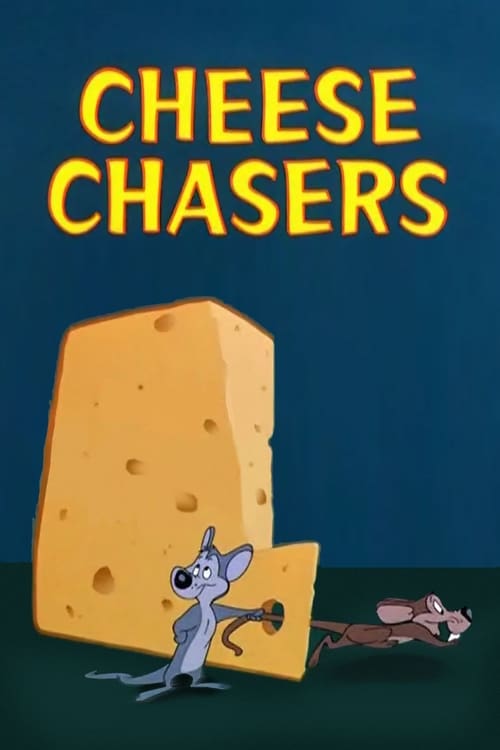
Cheese Chasers is a character-driven comedic short that subverts the typical predator-prey dynamic. Instead of a survivalist struggle, the protagonists face an existential crisis after a period of abundance. The film's strength lies in its absurdist approach to character motivation, moving away from standard mid-century moralizing. However, the work lacks complexity in representing diverse identities, focusing instead on animal archetypes and the production constraints of the time.
Category Breakdown
The film does not include any evidence of LGBTQ+ identities or non-straight storylines. It focuses solely on comedic interactions between animal characters.
The story revolves around a male-coded pair and a male antagonist. Although there are no progressive gender dynamics, the absence of traditional family structures prevents a zero score.
The narrative depends on anthropomorphic animal characters. There is no indication of racial blending or diverse casting within this comedic setting.
The film challenges traditional survivalist themes by introducing existentialist motivations. Characters seek self-destruction due to satiety, offering a non-traditional moral framework.
There is no evidence of neurodivergence or physical disability being used as a narrative element. The characters serve as standard comedic figures.
Present on Screen
Limited or Absent
Official Synopsis
After eating their fill at a cheese factory, Hubie and Bertie decide there is nothing left to live for, and try to get Claude Cat to eat them.
1951
1949
1945
1943
1952
1961
1953

1953
No reviews yet. Be the first to share your thoughts on this movie!
Use the rating form above to leave a star rating and optional review.