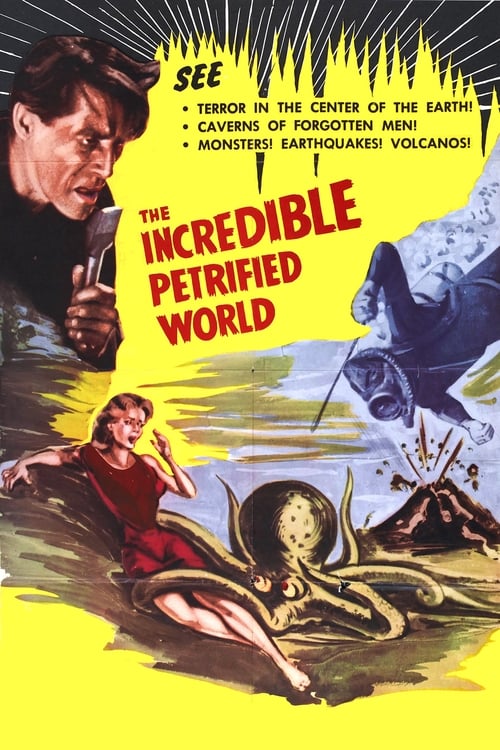
The Incredible Petrified World
1959
No user ratings available yet
Representation score: 2.6 out of 10
Representation Score
Good
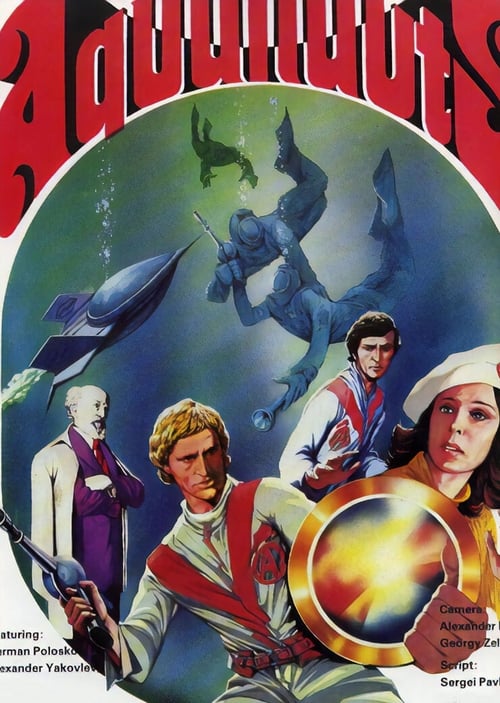
1980
Director
Igor Voznesensky
Runtime
80 minutes
Average Rating
No ratings yetNew Showbiz Analysis
The Aquanauts moves away from traditional, goal-oriented science fiction to explore psychological fragmentation. It replaces state-centric heroism with a focus on the blurring boundaries between humanity and the natural world. The film succeeds in using psychological trauma and metaphysical mystery to drive its plot. By centering the story on the ability to act of a deceased figure and the mental instability of survivors, it avoids many genre clichés. However, the film remains limited by a lack of explicit representation regarding queer identities. While it explores identity fluidity, it does not provide clear depictions of diverse social or romantic identities.
Category Breakdown
The film explores the fluidity of identity through a character's transformation into a marine entity. However, it lacks explicit depictions of queer intimacy or non-straight relationships.
The plot centers on the metaphysical imprint of a deceased woman. Her actions drive the investigation, ensuring her presence is more than just background support.
A multi-ethnic crew operates the research station in the Indian Ocean. The cast suggests a cosmopolitan production reflecting a globalized scientific setting.
The narrative prioritizes metaphysical mystery over industrial utility. It challenges rigid institutional structures by favoring an existentialist worldview over materialist reality.
Jacques Dumont’s severe nervous breakdown is a central narrative component. The film treats his psychological trauma with ability to act rather than as a simple plot device.
Present on Screen
Limited or Absent
Official Synopsis
While doing their work on the deep underwater station two aquanauts discover strange mystery: it seems as if one of the aquanaut's girlfriend who recently died in a car crash had turned into a big manta fish. That manta writes words on the station's port-holes and tries to draw attention many other ways.
1959

1954

1962
1954
1978
1989
1975
1970
No reviews yet. Be the first to share your thoughts on this movie!
Use the rating form above to leave a star rating and optional review.