
Alien from the Deep
1989
No user ratings available yet
Representation score: 5.1 out of 10
Representation Score
Limited
1980
RDirector
Kenneth Hartford, Herbert L. Strock
Runtime
98 minutes
Average Rating
No ratings yetNew Showbiz Analysis
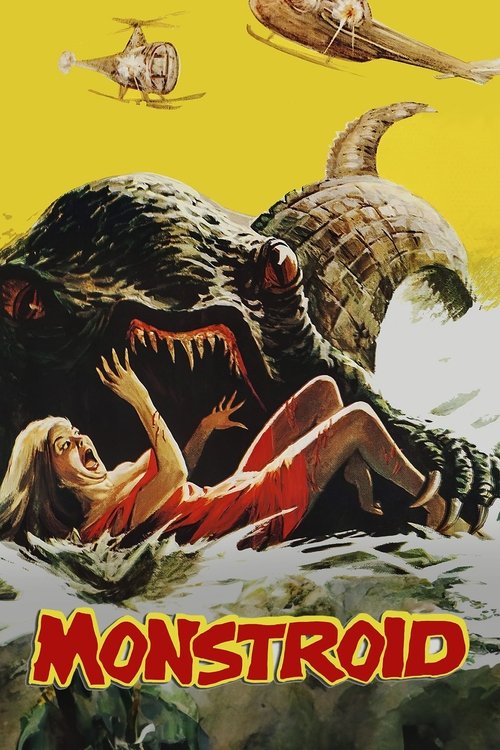
Monstroid stands out through its geographic setting and thematic focus on environmental catastrophe. By placing the narrative in a Colombian village, it avoids the typical Western-centric lens found in many creature features of its era. The film offers a critique of industrial encroachment and the ecological consequences of capitalism. This provides a layer of progressive thematic depth regarding how external forces impact rural ecosystems. However, the film lacks meaningful representation in other key areas. There is no evidence of LGBTQ+ inclusion or disability representation, and gender roles appear to follow traditional genre conventions.
Category Breakdown
The film does not include any LGBTQ+ characters or narratives. The story centers on the conflict between a rural community and a biological threat.
The roles of specific characters remain unverified, though the genre often relies on traditional hierarchies. There is no evidence of female characters challenging standard clichés.
By setting the story in a rural Colombian village, the film moves away from Anglo-centric perspectives. This setting allows for non-Western ability to act.
The narrative critiques industrial capitalism by framing pollution as a catalyst for systemic disruption. It challenges the perceived inevitability of progress through its portrayal of the village.
There is no evidence of characters with physical or neurodivergent disabilities. The narrative does not address disability representation.
Present on Screen
Limited or Absent
Official Synopsis
A rural Colombian village is attacked by a horrible sea serpent, aroused by industrial pollution of a nearby lake. Based on a real event that took place in June of 1971.
1989
1954
1972
2006
1977

1978

1980
2003
No reviews yet. Be the first to share your thoughts on this movie!
Use the rating form above to leave a star rating and optional review.