
Evil Feed
2013
No user ratings available yet
Diversity score: 4.6 out of 10
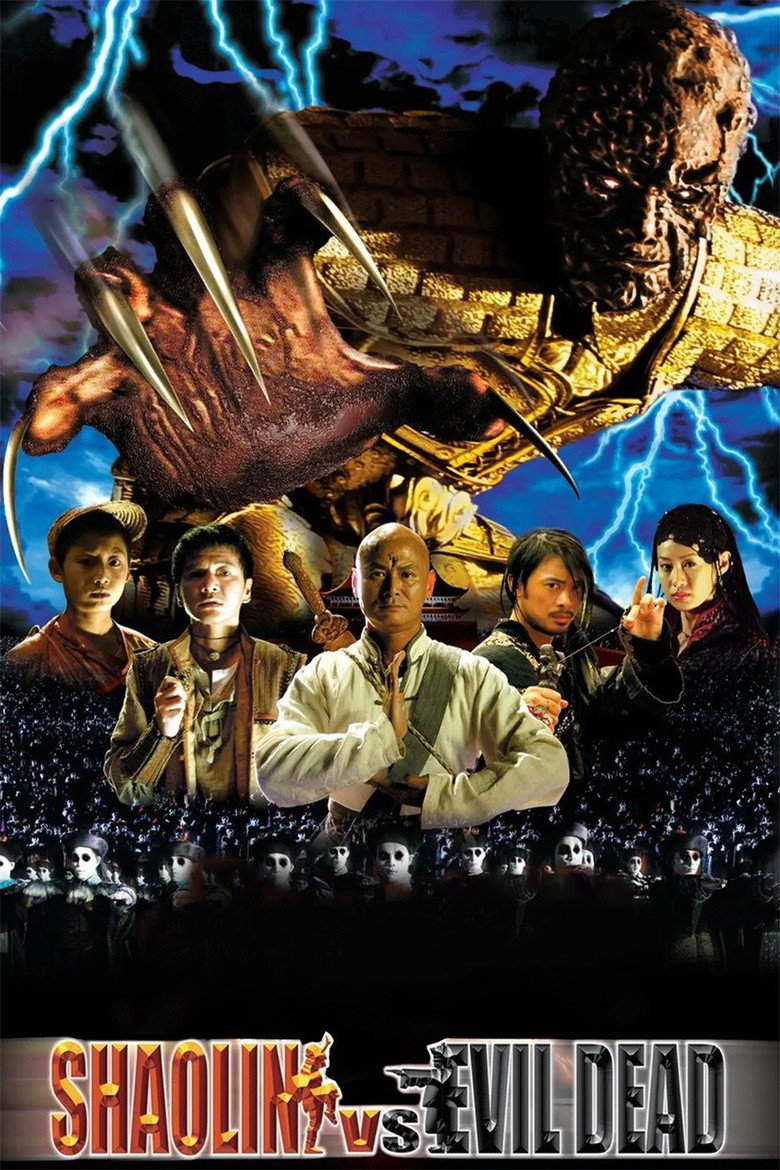
2004
Director
Douglas Kung Cheung-Tak
Runtime
94 minutes
Average Rating
No ratings yetSynopsis
The plot thickens as heroes Pak and Ha discover the evil Dr. Magma's plan to reanimate the dead and take on the master-fighting Shaolin monks.
Overall Score
Limited
Category Breakdown
LGBTQ+ Representation
The film lacks any evidence of non-cisnormative identities. The narrative follows traditional heteronormative structures centered on the primary conflict between the heroes and the antagonist.
Gender Representation
The story centers on male protagonists Pak and Ha alongside a male villain. It adheres to conventional martial arts hierarchies without subverting traditional gender roles.
Racial & Ethnic Diversity
As a Hong Kong production, the film features a predominantly East Asian cast. It centers East Asian cultural heritage through the lens of Shaolin monks.
Religious & Cultural Diversity
The plot utilizes Shaolin motifs of spiritual mastery. However, it pits these traditions against a mad scientist trope rather than offering deep sociopolitical critique.
Disability Representation
Themes of bodily alteration exist through the reanimation of the dead. These elements serve as horror devices rather than meaningful representations of disability or neurodivergence.
Strengths
Areas for Improvement
AI Analysis
Shaolin vs. Evil Dead operates as a standard genre piece within the Hong Kong action-horror tradition. It relies on established tropes, such as the conflict between spiritual mastery and scientific transgression, rather than attempting to disrupt social hierarchies. The film provides a non-Western perspective by centering East Asian cultural heritage and a local cast. However, this functions more as a cultural baseline than a deliberate subversion of Western-centric cinematic dominance. Ultimately, the narrative lacks intersectional depth. The character dynamics and themes remain rooted in conventional archetypes, offering little in the way of progressive representation or social commentary.
2013
1988
1972
1989
2003
2011
1983
2015

2014
2006
2005
1995
No reviews yet. Be the first to share your thoughts on this movie!
Use the rating form above to leave a star rating and optional review.