
Harold Prince: The Director's Life
2018
No user ratings available yet
Representation score: 5.2 out of 10
Representation Score
Fair
2016
Director
Lonny Price
Runtime
96 minutes
Average Rating
No ratings yetNew Showbiz Analysis
This documentary provides a candid, organic look at the evolution of a Broadway cast over three decades. It succeeds by avoiding the sanitized glamour of musical theater in favor of a sophisticated study of human connection and the complexities of artistic legacy. While the film offers a nuanced view of identity and professional struggle, it is inherently limited by the historical context of its subjects. The demographic composition reflects the casting norms of the early 1980s, impacting the overall racial and ethnic diversity. Ultimately, the film serves as a retrospective study of how individuals navigate time and art, embracing the fragmented, authentic realities of a life in the performing arts.
Category Breakdown
The film captures authentic, non-performative lives through the lived experiences of the performers, offering a nuanced view of identity that goes beyond traditional theatrical stereotypes.
The narrative emphasizes the shared vulnerability of both male and female performers, avoiding traditional gender hierarchies and highlighting the ability to act of all members of the ensemble.
The representation reflects the historical casting norms of the early 1980s Broadway era, focusing specifically on the original cast from that period.
The film explores the messy realities of human relationships and subjective morality, prioritizing the authentic, challenging realities of creative life over a polished success story.
The documentary examines the aging process and the physical realities of a long career but does not center specific disabilities in the narrative arc or use them as primary plot devices.
Present on Screen
Limited or Absent
Official Synopsis
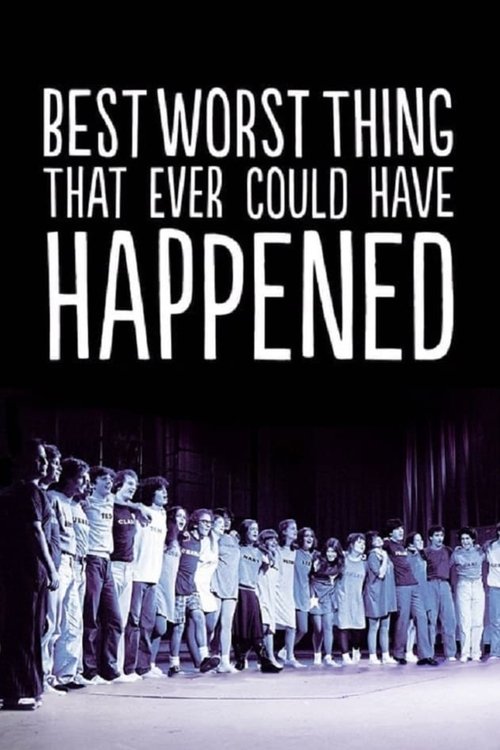
This film from acclaimed theater director Lonny Price charts the journey of the original cast of Stephen Sondheim's "Merrily We Roll Along" in the 30-plus years since the musical debuted on Broadway at the Alvin Theatre in 1981.
2018
2016

2022
2021

2007
1970
2013
2021
No reviews yet. Be the first to share your thoughts on this movie!
Use the rating form above to leave a star rating and optional review.