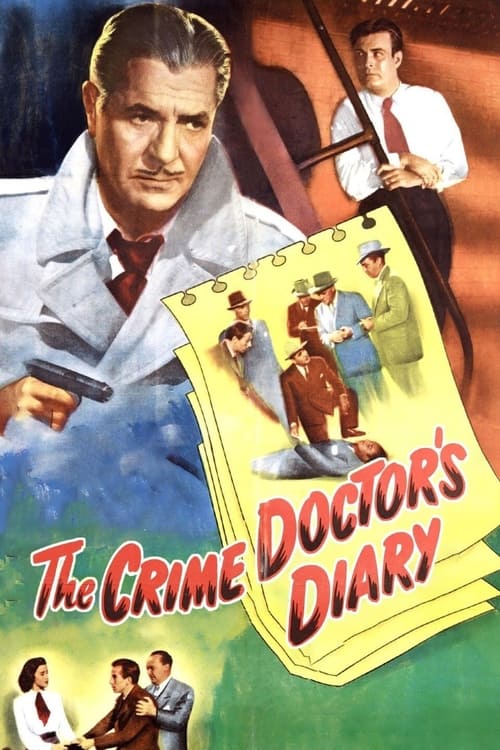
The Crime Doctor's Diary
1949
No user ratings available yet
Representation score: 3.0 out of 10
Representation Score
Limited
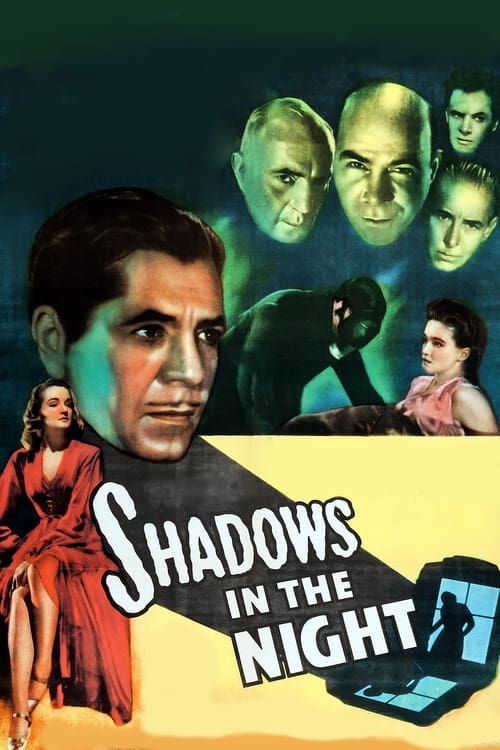
1944
NRDirector
Eugene Forde
Runtime
67 minutes
Average Rating
No ratings yetNew Showbiz Analysis
Shadows in the Night is a product of the 1940s studio system, prioritizing genre conventions over social subversion. The narrative structure relies on established power dynamics, specifically positioning a male professional as the stabilizing force against a female character's perceived instability. The film's themes are rooted in traditional Western social structures, emphasizing the efficacy of professional institutions and following the era's standard of homogeneous, white-centric storytelling. Ultimately, the film functions as a conventional psychological thriller, utilizing historical clichés regarding mental health and gender roles rather than offering multi-layered or progressive perspectives.
Category Breakdown
The film does not include any characters with non-binary or LGBTQ+ identities. It seems to follow the strict censorship rules of the 1940s.
The story follows a traditional cliché where a female character's emotional instability requires male intervention. This reinforces a hierarchy where men provide stability for women.
The narrative appears to align with the era's standard of depicting white-centric social structures. There is no evidence of diverse character roles or casting actors of different backgrounds.
The setting focuses on traditional Western environments and the preservation of social order. The plot relies on established scientific and social institutions for resolution.
The depiction of the heiress's mental state risks using madness as a gothic plot device. It leans toward the 'hysterical woman' cliché rather than nuanced neurodivergence.
Present on Screen
Limited or Absent
Official Synopsis
A criminal psychologist tries to help a beautiful heiress going mad in a haunted mansion.
1949
1933
1944
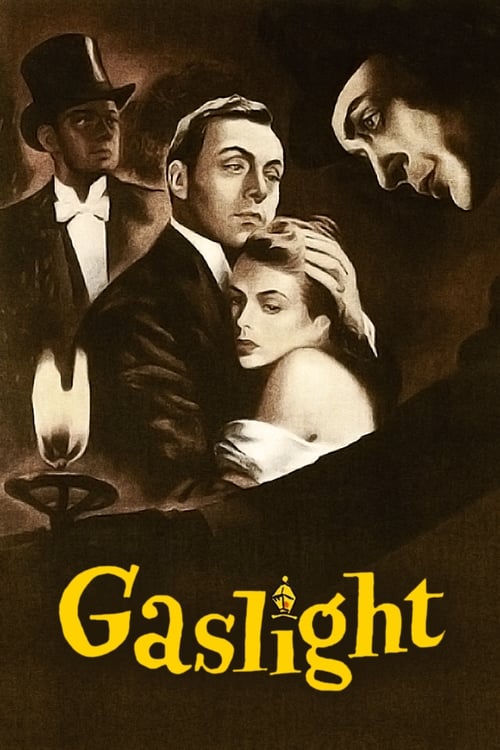
1944
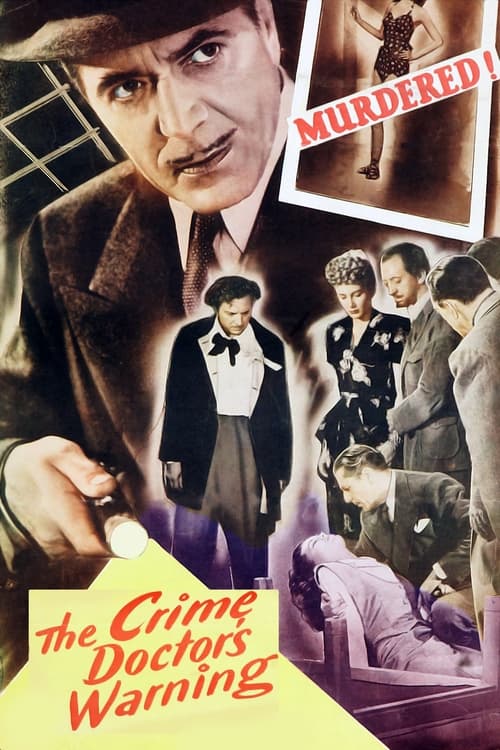
1945
1953
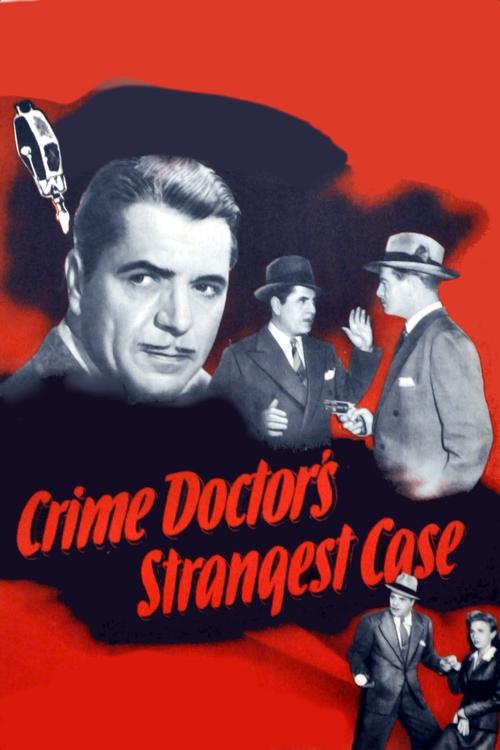
1943

1946
No reviews yet. Be the first to share your thoughts on this movie!
Use the rating form above to leave a star rating and optional review.