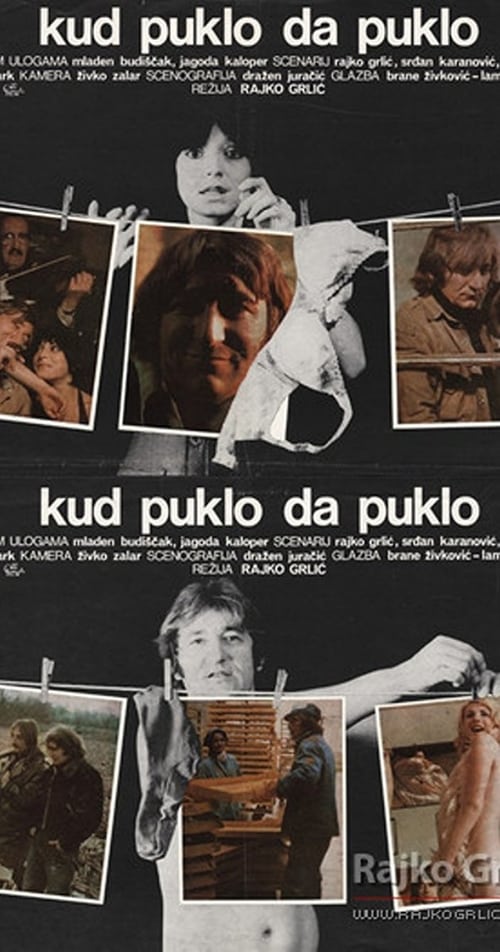
If It Kills Me
1974
No user ratings available yet
Representation score: 5.6 out of 10
Representation Score
Fair
1972
Director
Tomislav Radić
Runtime
77 minutes
Average Rating
No ratings yetNew Showbiz Analysis
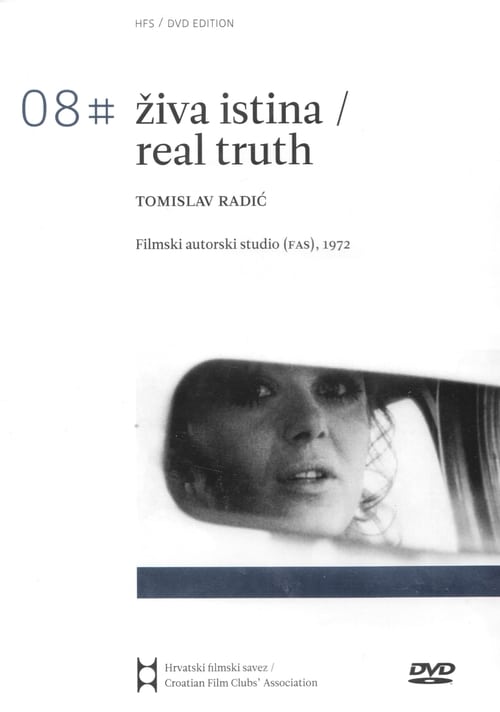
Real Truth succeeds in providing a nuanced look at female professional identity. By centering on Božidarka Frajt's internal struggles and her pursuit of autonomy, the film moves beyond domestic archetypes common in mid-century cinema. However, the film remains limited by the demographic constraints of its era and setting. The lack of visible LGBTQ+ identities and the homogeneity of the cast prevent a more multi-layered exploration of the human experience. Ultimately, the film is a character study of existential truth. It trades traditional upward mobility for a gritty, realistic portrayal of professional and personal failure.
Category Breakdown
The film does not include any explicit representations of LGBTQ+ identities or same-sex relationships. The narrative focuses on the protagonist's existential journey.
Božidarka Frajt serves as the main driver of the story, subverting passive female stereotypes. The film highlights her professional ability to act and the complexity of her identity within the Zagreb theater scene.
The casting reflects the demographic homogeneity of 1970s Zagreb. The story prioritizes class and professional status over diverse ethnic representation.
The film engages with subjective morality and critiques established hierarchies. It avoids celebratory success clichés, focusing instead on personal truth and the protagonist's difficult history.
While the protagonist carries the emotional trauma of being a war orphan, there is no evidence of specific disabilities being used as central plot devices.
Present on Screen
Limited or Absent
Official Synopsis
Božidarka Frajt (playing herself) is an actress who is unsuccessfully looking for a job in Zagreb. The film follows her everyday life: she spends time with her friends and colleagues, shoots a television commercial, goes to a party, remembers her difficult childhood as a war orphan, and contemplates her professional and personal failures. Finally, she visits theatre manager Vjeran Zuppa in his office and asks for a job.
1974

1961

1985
1970
1976
1967
1987
1985
No reviews yet. Be the first to share your thoughts on this movie!
Use the rating form above to leave a star rating and optional review.