So You Want to Hold Your Wife
1947
No user ratings available yet
Diversity score: 1.8 out of 10
No Poster Available
1954
ApprovedDirector
Richard L. Bare
Runtime
10 minutes
Average Rating
No ratings yetSynopsis
Do-gooder Joe McDoakes is the guest on the "Know Your Relatives" TV show where, to his chagrin, many of his black sheep relations reveal the skeletons in the family closet.
Overall Score
Limited
Category Breakdown
LGBTQ+ Representation
The film lacks any evidence of non-cisnormative identities. It appears to adhere to the strict heteronormative standards typical of 1954 productions.
Gender Representation
The narrative centers on a male protagonist, Joe McDoakes. The comedic structure likely reinforces conventional gender roles within a traditional domestic setting.
Racial & Ethnic Diversity
The film reflects the homogeneous casting norms of 1950s comedy. The term 'black sheep' refers to problematic relatives rather than racial diversity.
Religious & Cultural Diversity
The premise focuses on family secrets and social standing. It emphasizes traditional Western social values and the tension between eccentricity and social conformity.
Disability Representation
There is no information available regarding the inclusion of characters with physical or neurodivergent disabilities.
Strengths
Areas for Improvement
AI Analysis
This mid-century comedy follows the Joe McDoakes archetype, focusing on the anxieties of an average citizen facing familial dysfunction. The humor derives from the revelation of family secrets, a trope that reinforces traditional views of domestic stability. The film operates within the social constraints of 1954, prioritizing situational comedy over systemic critique. It functions as a conventional piece of studio-era entertainment that maintains the status quo rather than challenging it. Ultimately, the work lacks narrative agency for marginalized groups. It reinforces the traditional social and familial hierarchies prevalent in the 1950s.
1947
1950
1951
1951
1952
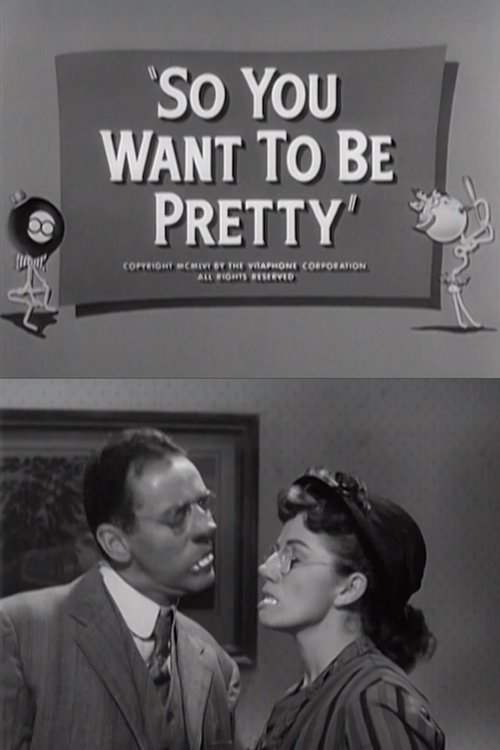
1956
1951
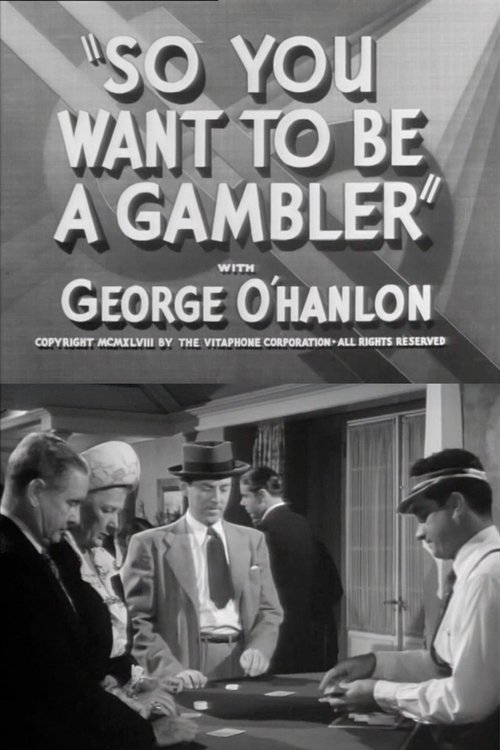
1948
1951
1950
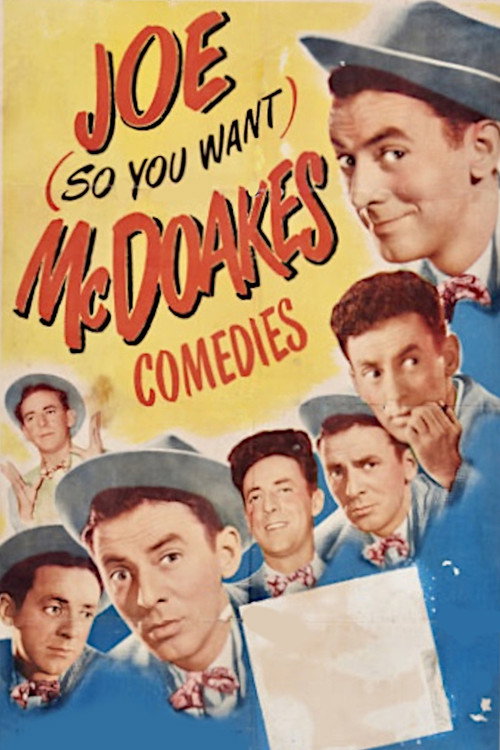
1947
1952
No reviews yet. Be the first to share your thoughts on this movie!
Use the rating form above to leave a star rating and optional review.