
The Olympic Games in Paris 1924
1925
No user ratings available yet
Representation score: 0.6 out of 10
Representation Score
Limited
1928
Director
Wilhelm Prager
Runtime
192 minutes
Average Rating
No ratings yetNew Showbiz Analysis
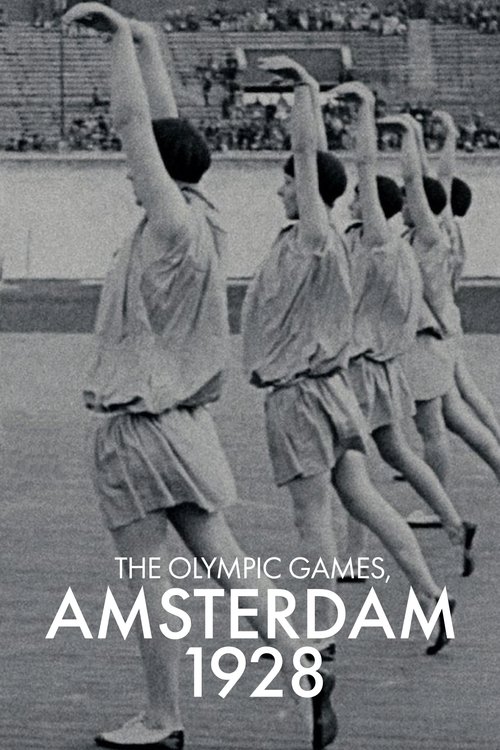
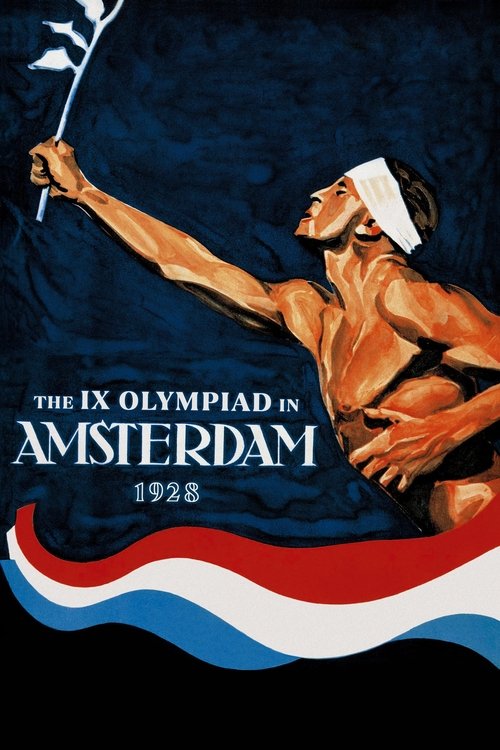
This documentary serves as a historical record of the 1928 Amsterdam Olympics. It functions as an observational record of a sporting event rather than a narrative designed to challenge social hierarchies. The representation of various groups reflects the social climate of the early 20th century. While it captures international athletes, the film adheres to the period's prevailing systemic structures and traditional norms. Ultimately, the work lacks the intentionality required to engage with progressive social frameworks, focusing instead on documenting the established global order.
Category Breakdown
The film does not include any intentional LGBTQ+ character development or narratives. Given the time period, there is no depiction of non-straight relationships or same-sex intimacy.
The film captures women participating in track and field, marking a significant historical moment. However, the framing reinforces traditional gender roles rather than challenging them.
A diverse group of athletes from around the world is featured in the competition. These appearances are incidental to the sport rather than a focus on multi-layered identity.
The documentary celebrates internationalism through established Western institutions. It documents the global order of the period without any subversive social critiques.
The film focuses strictly on elite athletic performance. There is no portrayal of neurodivergent or physically disabled individuals with significant roles.
Present on Screen
Limited or Absent
Official Synopsis
A documentary on the 1928 Olympic Games in Amsterdam.
1925
1938
1928

1935
1948
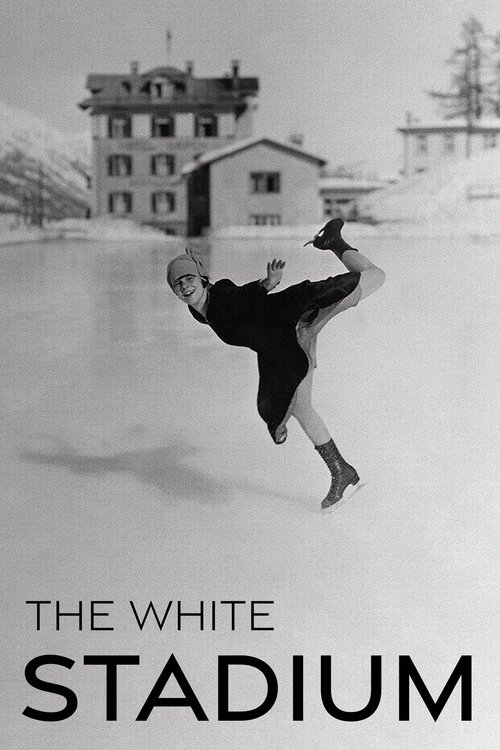
1928
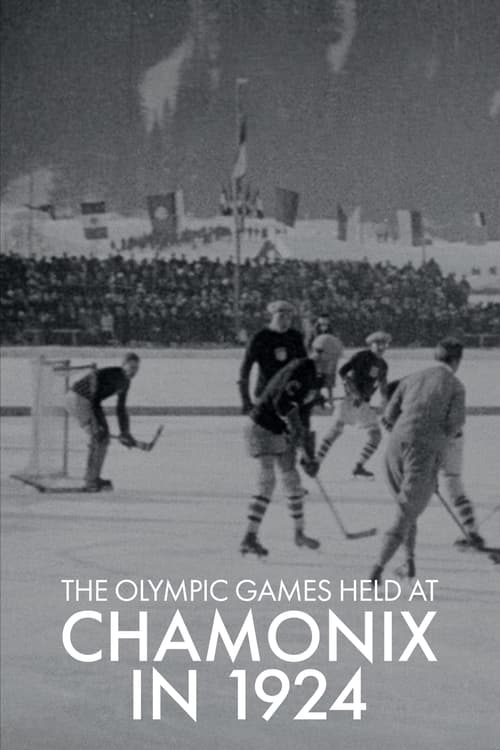
1924
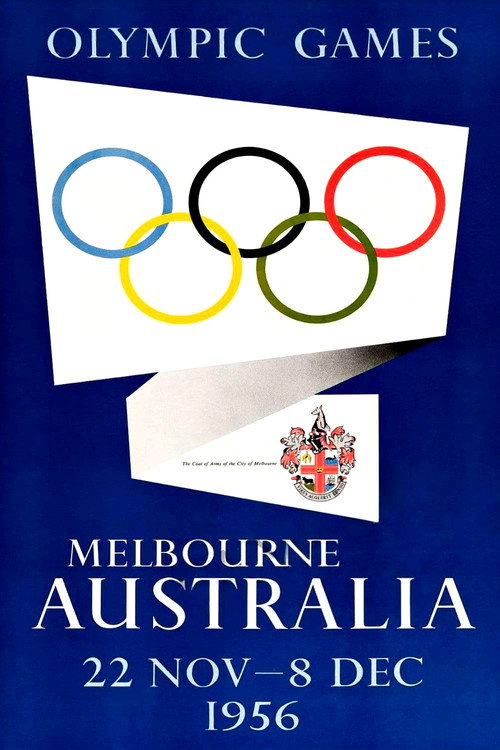
1956
No reviews yet. Be the first to share your thoughts on this movie!
Use the rating form above to leave a star rating and optional review.