The Great Pumpkin
1993
No user ratings available yet
Diversity score: 5.6 out of 10
1978
Director
Antonio Mercero
Runtime
90 minutes
Average Rating
No ratings yetSynopsis
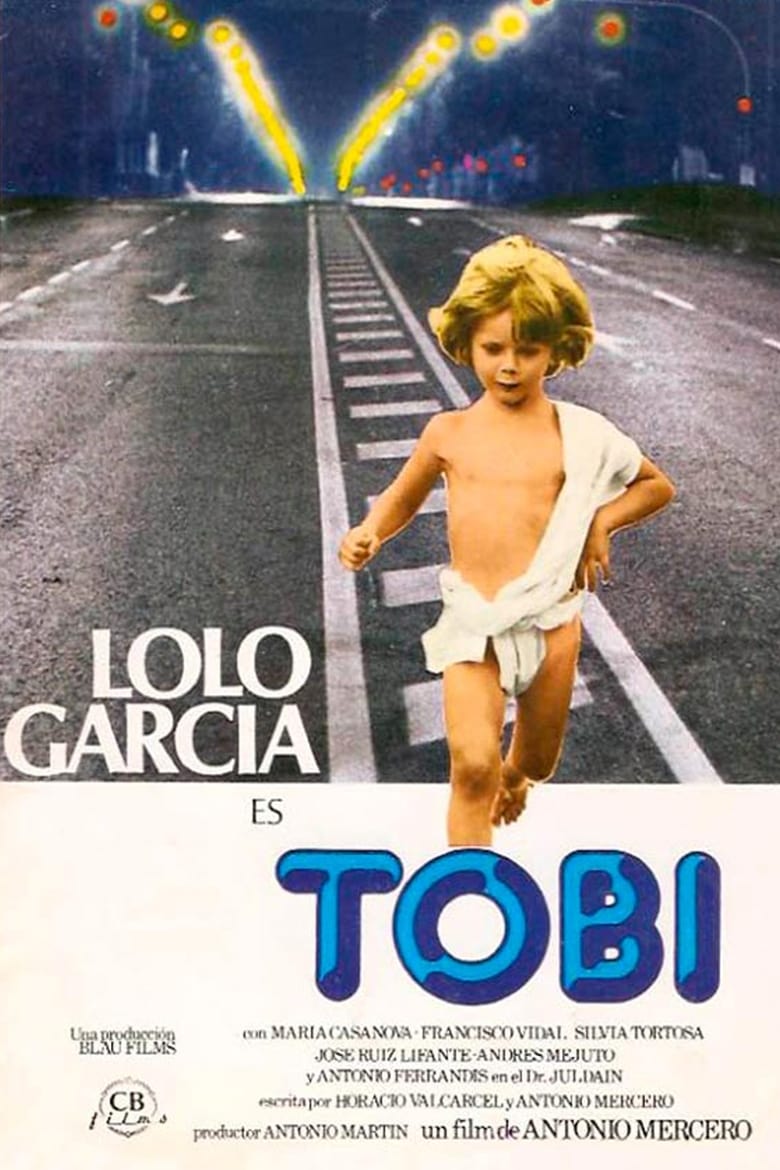
A story about a little boy who grows a pair of wings on his back, giving him the appearance of an angel. The boy draws the attention of his community including doctors, scientists and schoolmates. The wings are surgically removed but eventually they grow back.
Overall Score
Fair
Category Breakdown
LGBTQ+ Representation
The film lacks explicit depictions of LGBTQ+ identities. However, the boy's non-conforming body serves as a metaphor for the pressure to conform to societal norms.
Gender Representation
The focus on a child shifts attention away from traditional adult gender hierarchies. The conflict centers on institutional authority rather than domestic patriarchal structures.
Racial & Ethnic Diversity
The cast reflects the demographic homogeneity typical of 1978 Spanish cinema. There is no evidence of significant racial blending or diverse casting.
Religious & Cultural Diversity
The narrative critiques Western institutional control by portraying medical authorities as forces that attempt to strip away individual identity and natural truth.
Disability Representation
The boy's condition mirrors the struggle of neurodivergence or physical difference. The film avoids tropes by focusing on the systemic attempt to 'solve' his unique nature.
Strengths
Areas for Improvement
AI Analysis
Tobi is a sophisticated exploration of individuality versus systemic conformity. While it lacks explicit demographic diversity regarding race or sexual orientation, its narrative architecture offers a profound critique of institutional authority and the medicalization of difference. The film uses a fantastical premise to address real-world themes of bodily autonomy. By centering on a character who refuses to be 'corrected' by science, it subverts normative social structures. Ultimately, the work functions as a social commentary on how society reacts to those who do not fit biological or social expectations.
1993
2007
2007
2012

2000

2015

2015

1993

2004
1983
2004

1999
No reviews yet. Be the first to share your thoughts on this movie!
Use the rating form above to leave a star rating and optional review.