Mosquito
2017
No user ratings available yet
Diversity score: 4.9 out of 10
2011
Director
David V. Nicholson
Runtime
94 minutes
Average Rating
No ratings yetSynopsis
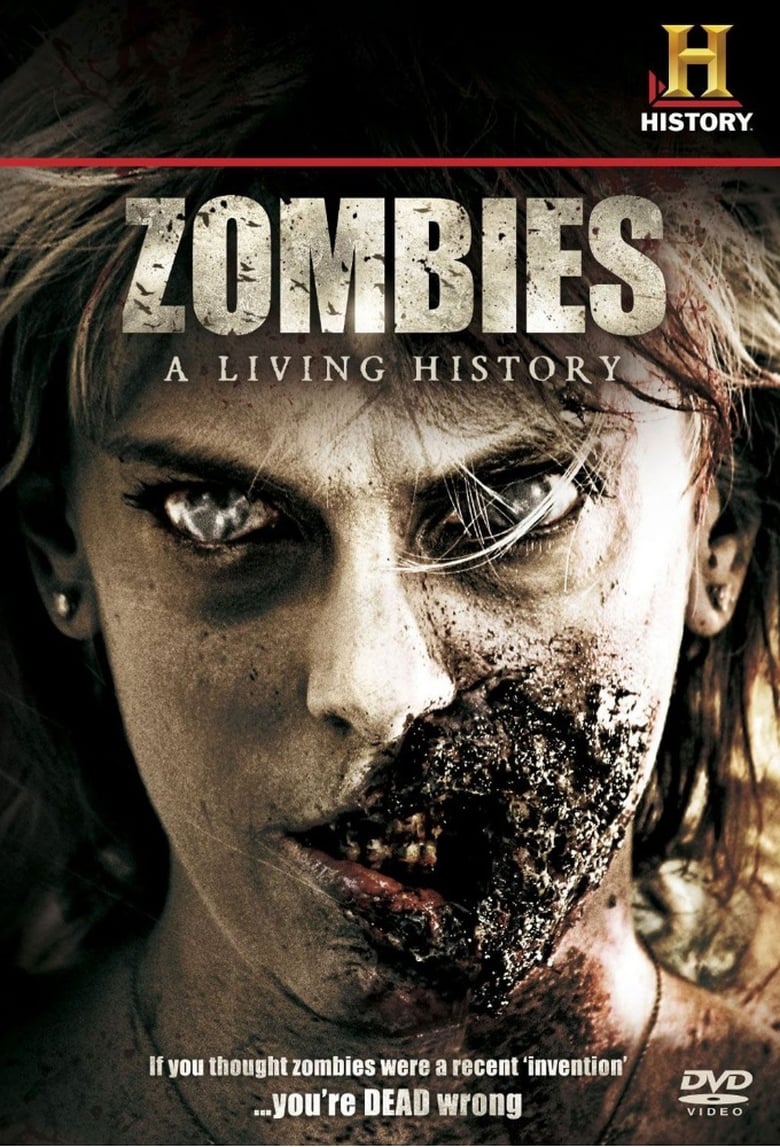
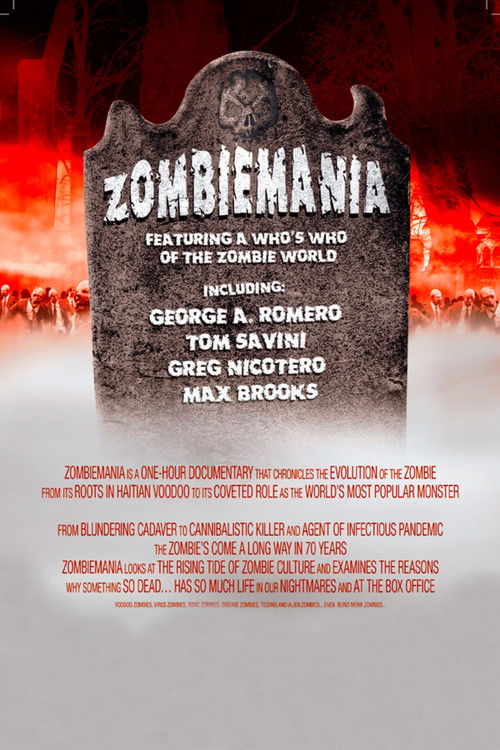
Zombies: are they real? Every culture creates its own version of a zombie. There have been diseases in history that have mimicked behavior of a zombie virus. The plausibility is there. You would never be up against one zombie.you would be up against thousands or millions of zombies. How would you survive?
Overall Score
Fair
Category Breakdown
LGBTQ+ Representation
The documentary focuses on historical diseases and cultural folklore. There is no evidence of LGBTQ+ characters or narratives addressing non-heteronormative identities.
Gender Representation
The film explores global phenomena and biological history. There is no indication of a deliberate subversion of traditional gender hierarchies or a focus on gender-specific agency.
Racial & Ethnic Diversity
The narrative engages with non-Western perspectives by examining how different cultures create their own zombie versions. This global approach validates the folklore of various ethnic groups.
Religious & Cultural Diversity
The work avoids a singular Western viewpoint by exploring how different cultures interpret the same phenomenon. It prioritizes scientific and historical inquiry over moralistic frameworks.
Disability Representation
The exploration of diseases mimicking zombie behavior touches upon themes of neurological or physical impairment. It remains unclear if these conditions are treated with agency or as tropes.
Strengths
Areas for Improvement
AI Analysis
Zombies: A Living History functions primarily as an educational and anthropological survey. It succeeds in moving beyond Anglo-centric storytelling by validating diverse cultural mythologies and global folklore. However, the film lacks character-driven social commentary. Because the focus is on medical history and academic inquiry, it misses opportunities to explore specific social identities or agency. Ultimately, the documentary provides a moderate approach to diversity. It offers a broad cross-cultural scope but lacks the narrative depth required for explicit representation of gender or LGBTQ+ identities.
2017
1972
2022
2010
2021

2016
2015

2016
2008
2002
2008
2013
No reviews yet. Be the first to share your thoughts on this movie!
Use the rating form above to leave a star rating and optional review.