
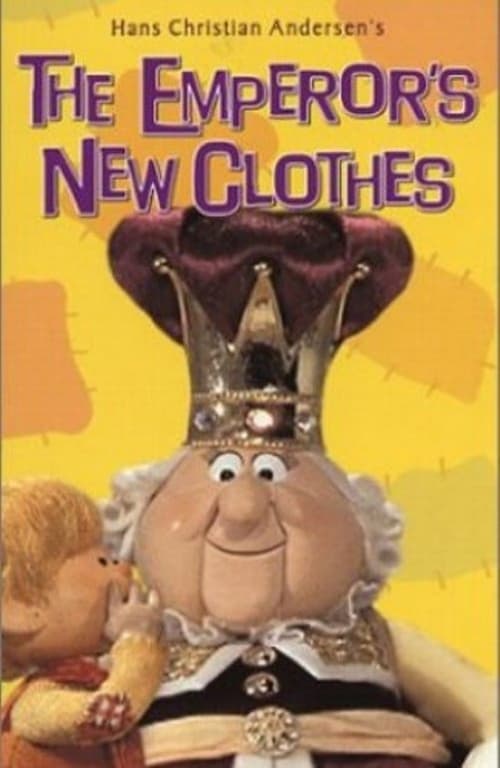
Des Kaisers neue Kleider
2010
No user ratings available yet
Representation score: 0.8 out of 10
Representation Score
Limited
1972
TV-PGDirector
Jules Bass, Arthur Rankin, Jr.
Runtime
52 minutes
Average Rating
No ratings yetNew Showbiz Analysis
This animated adaptation of the classic fable prioritizes traditional storytelling and moral satire over demographic inclusivity. The narrative focuses on the folly of centralized authority and the performative nature of social status, yet it does so through a very narrow lens. The production remains rooted in a homogeneous social structure typical of its era. While it effectively challenges the notion of the 'divine right' of kings, it fails to engage with modern standards of diverse character archetypes and characters who reflect more than one aspect of diversity.
Category Breakdown
The film does not depict any non-binary gender identities or same-sex relationships. The storyline centers around the Emperor's vanity and the swindlers' deception.
The story relies on traditional fairy-tale archetypes with minimal roles for women. Power dynamics are centered on masculine traits of leadership and deception.
The visual style follows a homogeneous European fairy-tale aesthetic. The setting lacks diverse ethnic identities or intentional casting that ignores race.
The narrative critiques the corruption of monarchy and the vanity of the ruling class. It functions as a moral fable regarding individual pride rather than broader systemic issues.
There is no meaningful representation of physical or neurodivergent disabilities. The concept of incompetence is used as a tool for psychological manipulation.
Present on Screen
Limited or Absent
Official Synopsis
Two con men convince a king that they have woven for him a suit made of magical cloth that only stupid or incompetent people are unable to see. Not wanting to seem dull, everyone pretends to admire the king's new clothes although he is completely naked.
2010

1972
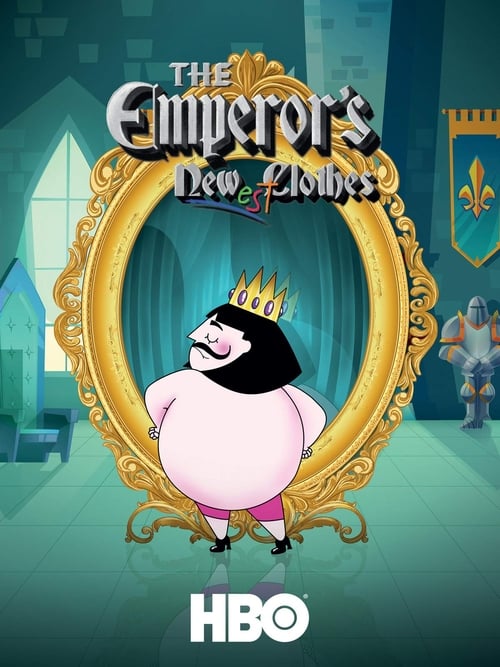
2018
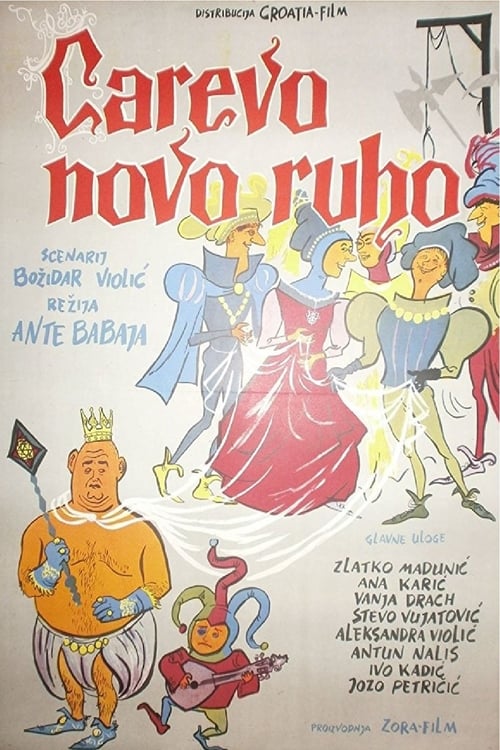
1961

1951
No reviews yet. Be the first to share your thoughts on this movie!
Use the rating form above to leave a star rating and optional review.