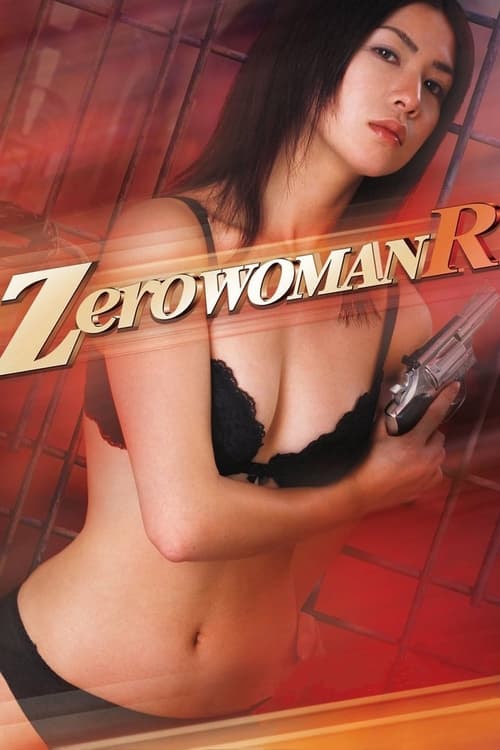
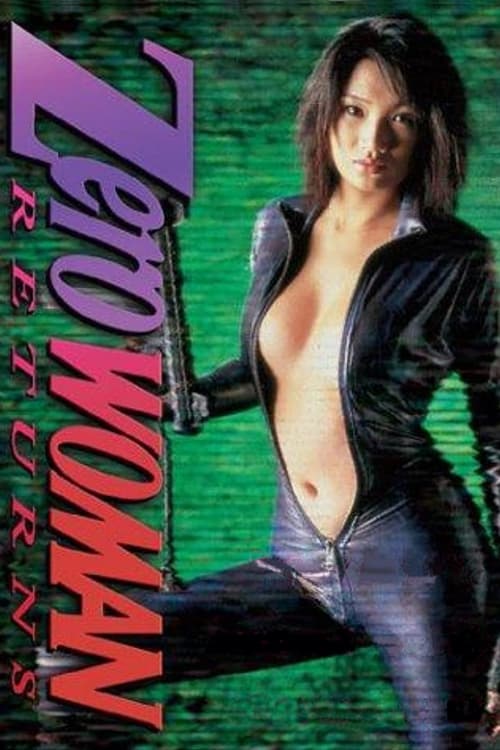
Zero Woman R
2007
No user ratings available yet
Representation score: 5.1 out of 10
Representation Score
Fair
1995
Director
Koji Enokido
Runtime
81 minutes
Average Rating
No ratings yetNew Showbiz Analysis
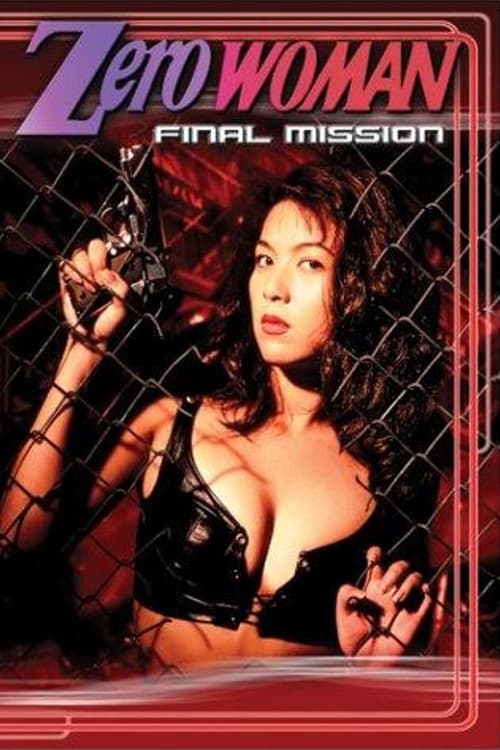
Zero Woman: Final Mission is a gender-disruptive action piece that centers on a highly capable female lead. By placing a woman in a position of professional and tactical authority, the film challenges the male-dominated police procedural cliché. However, the film lacks breadth in other areas of diversity. It presents a largely homogeneous social environment and does not explicitly center LGBTQ+ identities, focusing instead on individualistic eccentricities. Ultimately, the film's strength lies in its narrative architecture regarding gender, while its diversity is limited by a lack of racial and queer representation.
Category Breakdown
The film does not include explicit LGBTQ+ identities or romantic arcs. It explores unconventional dynamics through a subplot involving fetishism, but these elements serve as character eccentricities rather than true queer representation.
The protagonist disrupts traditional gender roles as a highly trained, autonomous female officer. She drives the investigation with superior combat skills, presenting a complex, non-submissive portrait of femininity.
The narrative focuses on the Tokyo Metropolitan Police within a localized Japanese setting. The cast and environment reflect a homogeneous social landscape consistent with the era's genre conventions.
The story critiques systemic corruption by investigating links between legitimate business and organized crime. It also explores non-traditional lifestyles and individualistic desires through themes of S&M.
There are no visible or invisible disabilities portrayed as central to the character arcs or the progression of the plot.
Present on Screen
Limited or Absent
Official Synopsis
A famous businessman's links with organized crime are looked into by the Zero Division of the Tokyo Police, with the investigation being headed by a highly trained, extremely violent and very beautiful female officer. When not having shoot-outs with the crime syndicate thugs trying to kill her, she spends most of her time in her apartment, wearing lingerie and taking showers. A sub-plot involves the businessman's S&M-obsessed daughter.
2007

1972

1997

1973
1973
1981
1999
1969
No reviews yet. Be the first to share your thoughts on this movie!
Use the rating form above to leave a star rating and optional review.