
Şeytan-ı Racim
2013
No user ratings available yet
Representation score: 1.7 out of 10
Representation Score
Minimal
2013
Director
Can Evrenol, Oğulcan Eren Akay
Runtime
11 minutes
Average Rating
No ratings yetNew Showbiz Analysis
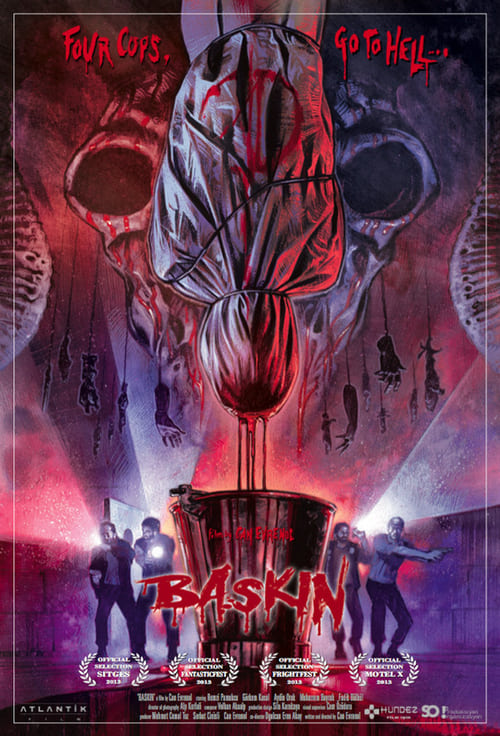
Baskın is a visceral work of atmospheric horror that emphasizes surrealism and existential dread over social commentary. Its primary contribution to diversity lies in its non-Western perspective, which breaks the mold of mainstream, Anglo-centric horror cinema. However, the film remains conventional in its social structure. It centers on a male-centric hierarchy and lacks representation for LGBTQ+ individuals, women, and characters with disabilities. The portrayal of madness serves the genre's requirements rather than providing a deeper understanding of mental health. Ultimately, while the film successfully offers a localized Turkish cinematic voice, it falls short in addressing multi-layered identities or challenging traditional power dynamics.
Category Breakdown
The film does not include any LGBTQ+ characters or those with non-traditional gender identities. The story revolves around a traditional, male-dominated police unit.
The narrative follows a traditional gender hierarchy, focusing on a male-dominated law enforcement team. Women play minimal roles in the main investigative unit.
The film provides a culturally specific experience by featuring a predominantly Turkish cast and setting. However, it does not blend multiple aspects of diversity.
Religious and ritualistic imagery is used to enhance the cosmic horror atmosphere. These elements serve the genre's needs rather than offering a critical look at social institutions.
Psychological trauma and madness are portrayed as typical horror plot devices. There is no detailed exploration of neurodivergence or disability.
Present on Screen
Limited or Absent
Official Synopsis
Police summoned to an apartment building make a horrifying discovery.
2013

2015
2016
2006
2019
2022
2010

2007
No reviews yet. Be the first to share your thoughts on this movie!
Use the rating form above to leave a star rating and optional review.