
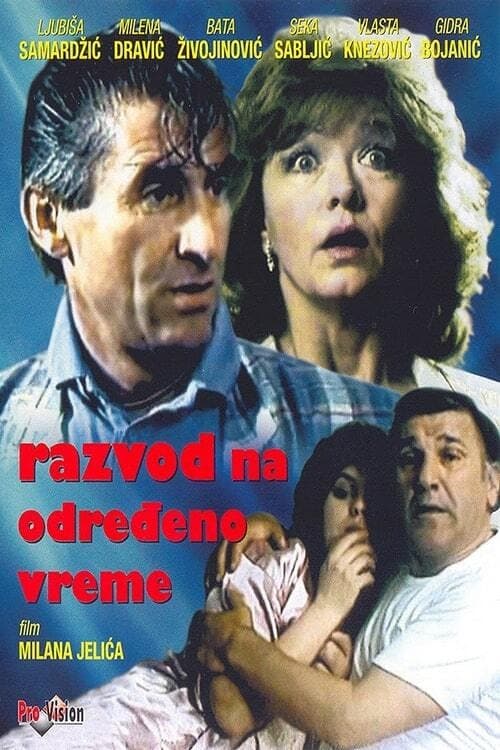
My Part-Time Dad
1982
No user ratings available yet
Representation score: 4.5 out of 10
Representation Score
Limited
1986
Director
Milan Jelić
Runtime
95 minutes
Average Rating
No ratings yetNew Showbiz Analysis
Part-Time Divorce serves as a critical examination of institutional rigidity and systemic issues. By focusing on a couple who must pretend to be divorced to navigate housing bureaucracy, the film shifts attention from personal morality to the pressures imposed by an oppressive state. The narrative effectively dismantles the necessity of traditional social institutions. It portrays characters who employ deceptive tactics not out of malice, but as a practical response to a corrupt system that favors certain demographic types over stable relationships. Though the film does not explicitly represent LGBTQ+ or disabled characters, it provides a sophisticated exploration of how individuals navigate and challenge social norms within a bureaucratic environment.
Category Breakdown
The film centers on a traditional marriage and does not include any queer narratives or non-straight relationships.
Svetlana and Siniša use unconventional strategies to gain stability. The story explores how gender roles, such as the 'divorced mother' stereotype, affect access to resources.
The drama is set in a Yugoslavian context, using locations like the Montenegrin coast. It does not feature diverse racial or ethnic representation.
The narrative criticizes state bureaucracy by showing how the traditional family structure must be dismantled to survive. It questions the sanctity of social norms through situational ethics.
There is no information about characters with visible or invisible disabilities.
Present on Screen
Limited or Absent
Official Synopsis
While heading to Spain to spend their honeymoon there, Siniša and Svetlana find themselves at Montenegrin coast due to mistake made by travel agency. They get back disappointed to Belgrade, where new problems expect them: Svetlana applied for an apartment, but divorced mothers with children are those who have advantage. Svetlana and Siniša decide to divorce for a part-time period so they could trick the housing board and get an apartment.
1982
1961

2002
1979
2023

1990

1977
1958
No reviews yet. Be the first to share your thoughts on this movie!
Use the rating form above to leave a star rating and optional review.