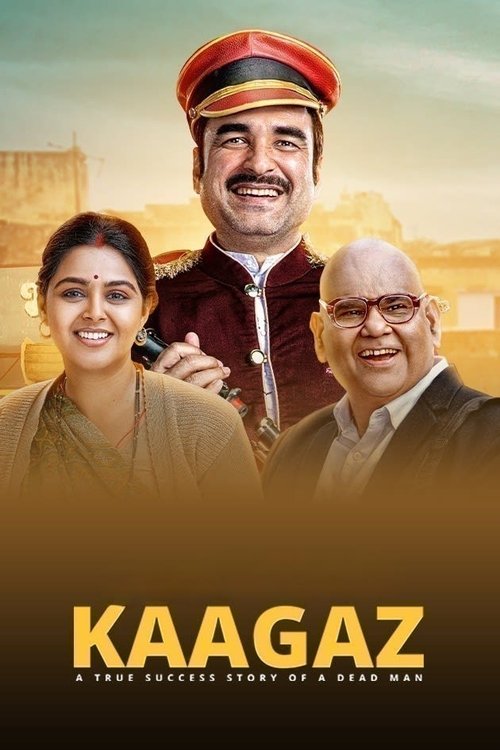
Kaagaz
2021
No user ratings available yet
Diversity score: 5.1 out of 10
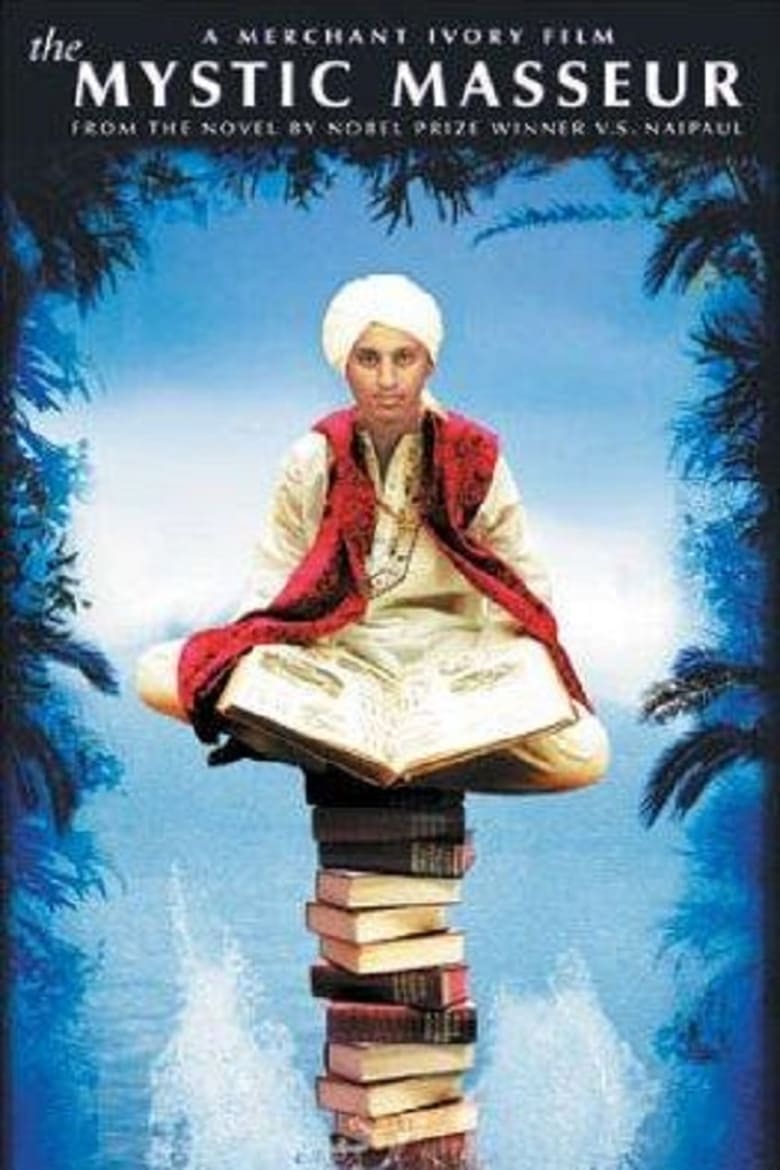
2001
PGDirector
Ismail Merchant
Runtime
117 minutes
Average Rating
No ratings yetSynopsis
Circa 1940 in Trinidad, still a British Colony, lives Ganesh Ramseyor, of East Indian origin, along with his wife, Leela. He longs to reach out to people, especially to Hindus, in order to promote the Hindu Faith, and be known as a writer. He does get considerable success, so much so that he becomes famous as a miracle worker, having cured a man of sharing intimacy with his bicycle; prevented a man from believing that he can fly; and convincing a young woman to end her fast. His fame spreads all over the island and thousands throng to seek his blessings, which he does dole out quite benevolently, without charging any fees from the poor and the needy. He then decides to spread his wings by challenging the local politician Pandit Narayan Chandrashekhar alias Cyrus T., and takes over The Hindu Organization, thence opening his way to a seat in the prestigious Member of the Legislative Assembly
Overall Score
Fair
Category Breakdown
LGBTQ+ Representation
The film lacks explicit LGBTQ+ characters or non-heteronormative identities. The social architecture remains centered on traditional domestic structures without discernible queer-coded subtext.
Gender Representation
Set in 1940s Trinidad, the film reflects traditional gender hierarchies. While the protagonist gains significant agency, female characters like Leela primarily occupy domestic or supportive roles.
Racial & Ethnic Diversity
The film excels by centering the Indo-Trinidadian experience within a British colonial setting. It disrupts Western-centric norms by exploring ethnic identity and post-colonial politics through characters of color.
Religious & Cultural Diversity
Social satire explores the complexities of faith and moral relativism. The narrative critiques institutional power and religious organizations, framing them as arenas for personal ambition and social negotiation.
Disability Representation
Healing and ailments function largely as plot devices to facilitate the protagonist's fame. Characters with disabilities lack independent agency, serving instead as catalysts for the hero's social ascent.
Strengths
Areas for Improvement
AI Analysis
The film is a powerful act of cultural reclamation that disrupts Western-centric storytelling. By immersing itself in Indo-Caribbean identity and post-colonial dynamics, it provides a sophisticated look at ethnic agency and religious complexity. However, the narrative remains tethered to the social constraints of its 1940s setting. This results in traditional gender roles and a reliance on conventional archetypes that limit the depth of its social critique. While the portrayal of race and culture is exceptional, the lack of diverse representation in gender and disability prevents a higher overall score.
2021

1997
1981
2020
1999

2018
2020
1988

2021

2010

2004
1985
No reviews yet. Be the first to share your thoughts on this movie!
Use the rating form above to leave a star rating and optional review.