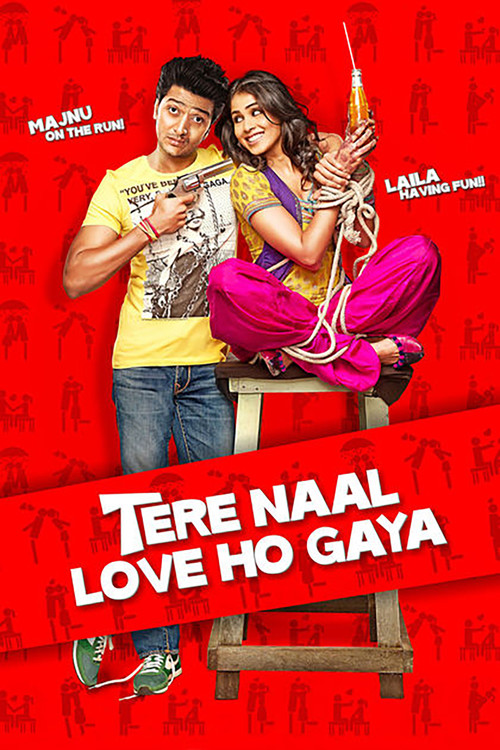
Tere Naal Love Ho Gaya
2012
No user ratings available yet
Representation score: 3.5 out of 10

Representation Score
Minimal
2010
Director
Sreenu Vaitla
Runtime
145 minutes
Average Rating
No ratings yetNew Showbiz Analysis
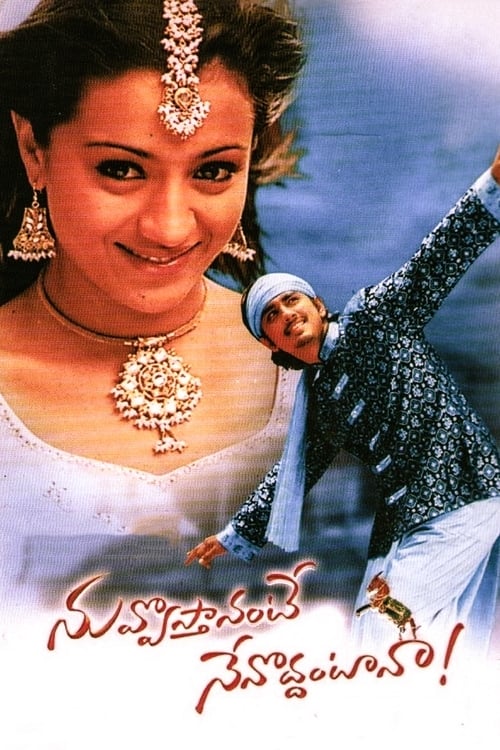
Namo Venkatesa operates as a standard commercial romantic comedy that reinforces established social and religious norms. The narrative relies on traditional gender roles, where male characters act as strategists and protectors while the female lead navigates patriarchal constraints. The film lacks diversity in terms of LGBTQ+ identities and disability representation, maintaining a culturally specific focus on Telugu identity. Ultimately, the film prioritizes the restoration of traditional familial and social order, offering a conservative sociological profile rather than challenging systemic power dynamics.
Category Breakdown
The film follows a traditional romantic storyline between a male protagonist and a female lead, reinforcing straight relationships.
Gender roles follow traditional hierarchies. The female lead is central to the plot but is limited by patriarchal familial pressures and arranged marriage.
The cast focuses on Telugu-speaking identities, with settings moving between local contexts and Europe, but remaining centered on regional ethnic norms.
The story emphasizes traditionalist values and religious devotion, prioritizing established family structures and social hierarchies throughout the narrative.
There is no representation of physical, sensory, or neurodivergent disabilities. Characters function within able-bodied norms without disability serving as a plot device.
Present on Screen
Limited or Absent
Official Synopsis
Venkata Ramana (Venkatesh) is a ventriloquist. He goes along with the troop of artists to perform for a local Telugu association in Europe. Paris Prasad (Brahmanandam) is a tour organizer in Europe. He enjoys making people around bakras. Pooja (Trisha) is the niece of Prasad. Venkata Ramana falls in love with her. Prasad realises that only way to make Ramana bakra is to tell him that Pooja loves him too. Pooja is the daughter of a rich factionist in Rayalaseema and she is forced to return back in the middle. Her marriage is fixed with a guy she doesn’t like. The rest of the story is all about how Prasad conspires with Ramana to rescue Pooja.
2012
2011
2005
2006
2007
1997
2008
1993
No reviews yet. Be the first to share your thoughts on this movie!
Use the rating form above to leave a star rating and optional review.