
Short Sharp Shock
1998
No user ratings available yet
Representation score: 4.6 out of 10
Representation Score
Fair
1999
Director
Ole Christian Madsen
Runtime
103 minutes
Average Rating
No ratings yetNew Showbiz Analysis
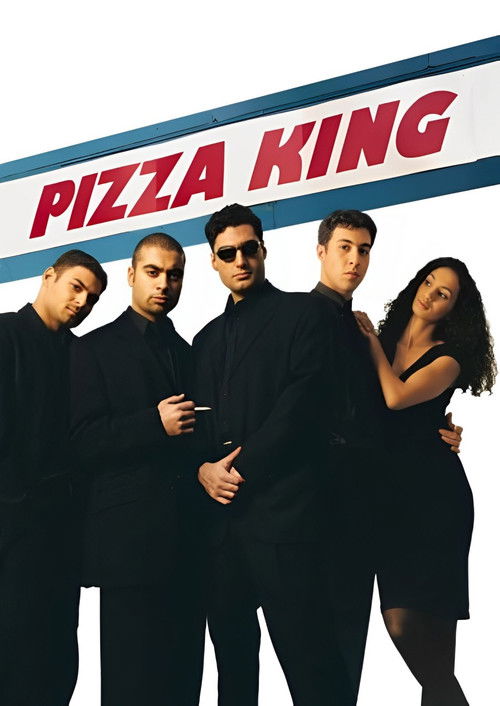
Pizza King stands out for its era-specific disruption of European cinematic norms. By placing immigrant power structures at the center of the plot, it moves non-white characters from the periphery to positions of high influence. However, the film remains deeply anchored in traditional masculine storytelling, focusing on male competition and patriarchal respect. Ultimately, the film is a gritty piece of urban realism that challenges demographic status quos regarding ethnicity while remaining limited by conventional gender archetypes.
Category Breakdown
The film does not include any explicit LGBTQ+ characters or narratives. The story focuses on masculine environments like boxing and organized crime, offering no visible queer themes.
The narrative centers on traditional masculine roles, such as the fallen athlete and the ambitious criminal. It operates within a framework of male competition and patriarchal hierarchies.
The film breaks late-90s European norms by featuring a Pakistani mafia in Copenhagen. This gives significant influence to characters of color within the social hierarchy.
The story explores the lived experiences of urban hustlers operating in ethical gray areas. It critiques mainstream social structures through the lens of underrepresented communities.
There is no focus on physical or neurodivergent disabilities. Junes's career ends due to a criminal conviction rather than a disability-related narrative.
Present on Screen
Limited or Absent
Official Synopsis
Friends Bobby and Junes have been hustling around Nørrebro for several years. Junes was once a talented boxer, but a violent crime conviction put an end to his promising career, and now he drifts around with no direction other than getting through the day and keeping his "business" going. Bobby, on the other hand, is determined to become something "big." In an attempt to win the respect of his powerful uncle, who is the leader of the organized Pakistani mafia in Copenhagen, Bobby is prepared to do anything...
1998

2017

1997
1992

1999
2011
2018
2003
No reviews yet. Be the first to share your thoughts on this movie!
Use the rating form above to leave a star rating and optional review.