
The Dangerous
1983
No user ratings available yet
Representation score: 2.5 out of 10
Representation Score
Fair
1993
Director
Francisco Athié
Runtime
88 minutes
Average Rating
No ratings yetNew Showbiz Analysis
Lolo is a gritty film that addresses social issues through realistic storytelling. It avoids typical escape narratives and instead focuses on the struggles of the Mexican working class, offering insights into systemic economic displacement and ethnic identity. However, the film's scope is limited when it comes to diverse identities. It lacks explicit LGBTQ+ representation and does not explore disability in depth, focusing instead on the socio-economic consequences of physical injuries. Ultimately, the film excels in critiquing institutional stability. It questions the distinction between villains and victims, using the protagonist's guilt to challenge traditional moral views on crime.
Category Breakdown
The film does not include explicit LGBTQ+ characters or stories that go beyond traditional heterosexual relationships. Instead, it focuses on a fractured family relationship between the protagonist and his mother.
The story revolves around a male protagonist, but it challenges traditional ideas of masculinity by showing him in a vulnerable state. His mother is portrayed as a strong, guiding figure.
The film highlights the experiences of Mexican working-class families living on the outskirts of Mexico City. This perspective challenges Western-centric views by bringing attention to the lives of underrepresented communities.
The movie critiques societal issues by presenting crime as a result of economic hardship. It emphasizes the impact of capitalist systems and the instability of urban life.
The protagonist faces physical injuries that lead to job loss, but the film does not delve into his disability or explore themes related to neurodivergence or specific disabilities.
Present on Screen
Limited or Absent
Official Synopsis
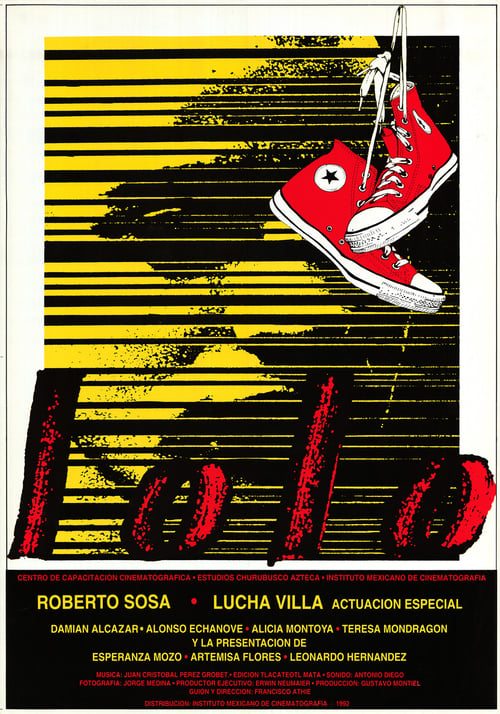
Lolo lives in a poor neighborhood on the outskirts of Mexico City. One day he is assaulted and injured out of the factory where he works. After a week of hospitalization, Lolo loses his job and is forced to seek sustenance. The accidental death of an elderly woman, whom Lolo trying to steal a watch that his mother had insisted, facing the young people in your neighborhood and forces him to flee, full of guilt and shame.
1983

2019
1972

1980
1987

1959

2000

2005
No reviews yet. Be the first to share your thoughts on this movie!
Use the rating form above to leave a star rating and optional review.