
Yes
2005
No user ratings available yet
Diversity score: 7.7 out of 10
2002
Director
Tonie Marshall
Runtime
90 minutes
Average Rating
No ratings yetSynopsis
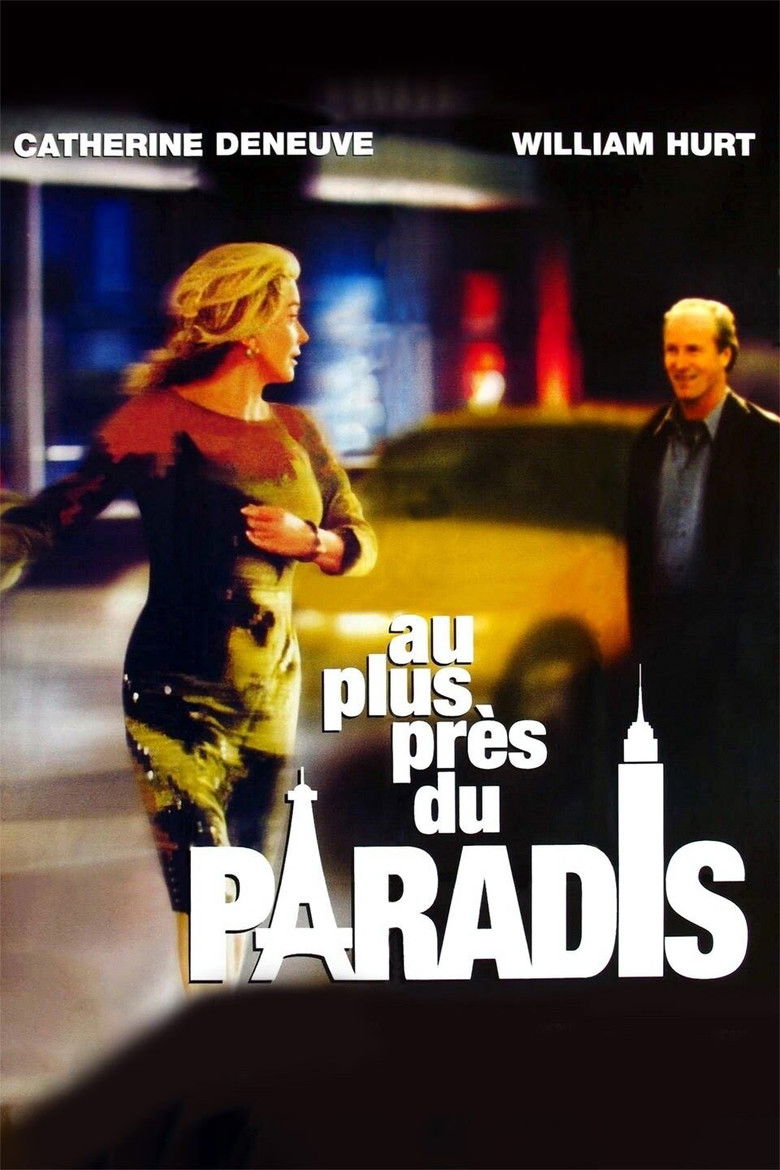
People and life can be cruel, and in their face, Fannette is cool: toward an old acquaintance, to her daughter, to colleagues. Beneath the surface, she roils with passion for a lost love, Philippe. She watches "An Affair to Remember" again and again, and when she receives a letter from Philippe asking her to meet him atop the Empire State Building, she swoons. She's writing a book on an aged painter, so she organizes a trip to New York ostensibly to secure photographs of some of his pieces. The publisher assigns her a photographer, Matt, on the surface spontaneous and flip, but also aggressive about his attraction to her. Will she be with the one she loves? Will she smile? Written by
Overall Score
Excellent
Category Breakdown
LGBTQ+ Representation
The film centers its entire narrative arc on a lesbian relationship. It uses this intimacy to critique heteronormativity and explore the social costs of conforming to communal expectations.
Gender Representation
The narrative subverts traditional hierarchies by focusing on the intellectual pursuits and emotional resilience of female protagonists. These women are defined by their own agency rather than their relationships to men.
Racial & Ethnic Diversity
Featuring a primarily Black cast, the film provides a culturally grounded portrayal of Black women. It avoids tokenism by rooting characters in specific socioeconomic and racial realities.
Religious & Cultural Diversity
The story deconstructs religious dogma by framing institutions as sources of social pressure. It prioritizes the characters' subjective truths over established communal morality and traditionalist structures.
Disability Representation
There is no significant evidence of characters with visible or invisible disabilities serving as central plot devices or subjects of mockery.
Strengths
Areas for Improvement
AI Analysis
Tonie Marshall’s drama is a sophisticated exploration of intersectional identity. By weaving together race, sexuality, and class, the film challenges traditional social hierarchies and provides a platform for marginalized voices. The strength of the work lies in its refusal to treat queer identity or Black womanhood as peripheral. Instead, these elements are central to the narrative architecture, driving the characters' pursuit of authenticity against conservative social pressures. While the film excels in its thematic depth, the lack of disability representation remains a notable absence in an otherwise rich tapestry of identity-based storytelling.
2005

2010

2010
2004

1995

1995

1997

2009

2001

2019

1996

2023
No reviews yet. Be the first to share your thoughts on this movie!
Use the rating form above to leave a star rating and optional review.