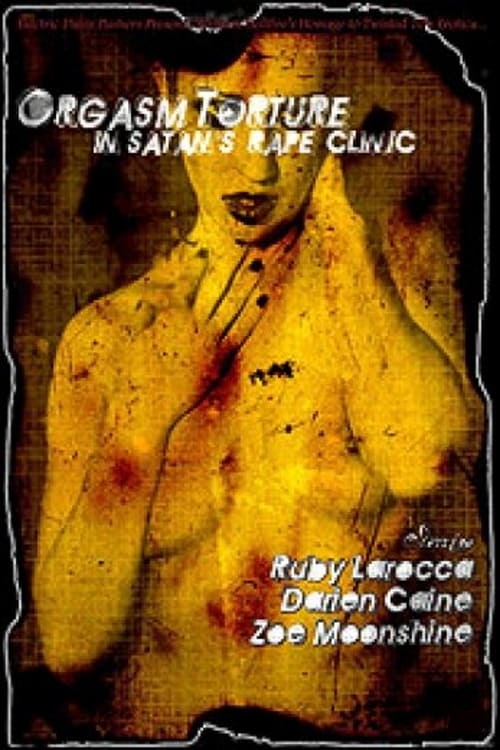
Orgasm Torture in Satan's Rape Clinic
2004
No user ratings available yet
Representation score: 0.6 out of 10
Representation Score
Limited
1997
Director
William Hellfire
Runtime
78 minutes
Average Rating
No ratings yetNew Showbiz Analysis
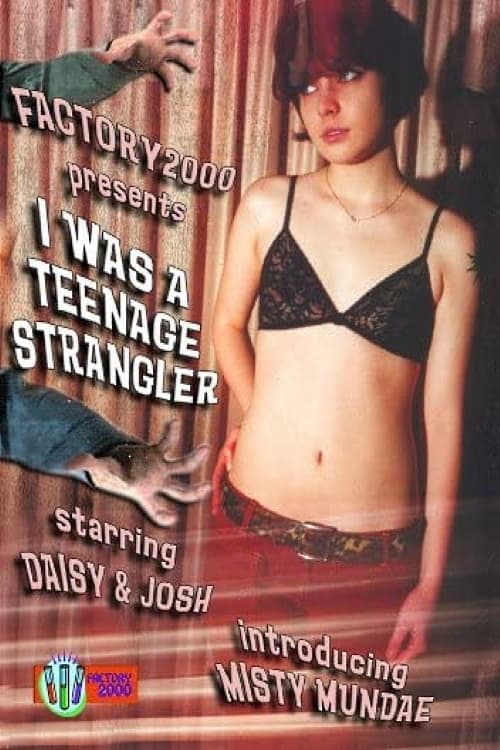
I Was a Teenage Strangler adheres closely to the conventions of late-90s exploitation horror. The narrative emphasizes sensationalism, debauchery, and shock value over meaningful social commentary or layered storytelling. While the film includes a female protagonist, the portrayal leans heavily on objectification and helplessness. The narrative focuses on sexual transgression rather than identity-driven stories or challenging social hierarchies. Overall, the film lacks intentional diversity. It presents a homogeneous demographic and fails to include representation for disability or varied racial and cultural backgrounds.
Category Breakdown
The film centers around sexual promiscuity and transgression in a party setting. There is no clear depiction of LGBTQ+ identities or critiques of straight-centered relationships.
Misty Mundae is featured as a female lead, but the narrative relies on the 'Scream Queen' cliché. Characters are portrayed as helpless, suggesting limited ability to act for women.
The film lacks evidence of a diverse cast or non-Anglo-Saxon majority. It appears to have minimal racial complexity or layered character depth.
The story highlights social dysfunction through themes of substance abuse and exploitation. It does not provide a structured critique of Western institutions or systemic issues.
There is no mention of characters with physical, sensory, or neurodivergent disabilities in the synopsis or credits.
Present on Screen
Limited or Absent
Official Synopsis
Softcore princess Misty Mundae (Chantal, The Rage) in her first film role ever! A swingin party where ghastly teens indulge in liquor, mind-altering substances and acts of lewdness, defilement and promiscuity...A sexually depraved lunatic on the prowl, bent on wringing the life from these helpless youth...A night of bizarre and unspeakable atrocities that will have you, too, in the GRIP OF TERROR!
2004
1972
2003
1976

1987
1975

1970
2007
No reviews yet. Be the first to share your thoughts on this movie!
Use the rating form above to leave a star rating and optional review.