
A Child in the Crowd
1976
No user ratings available yet
Diversity score: 4.7 out of 10
1983
Director
Yaşar Seriner
Average Rating
No ratings yetSynopsis
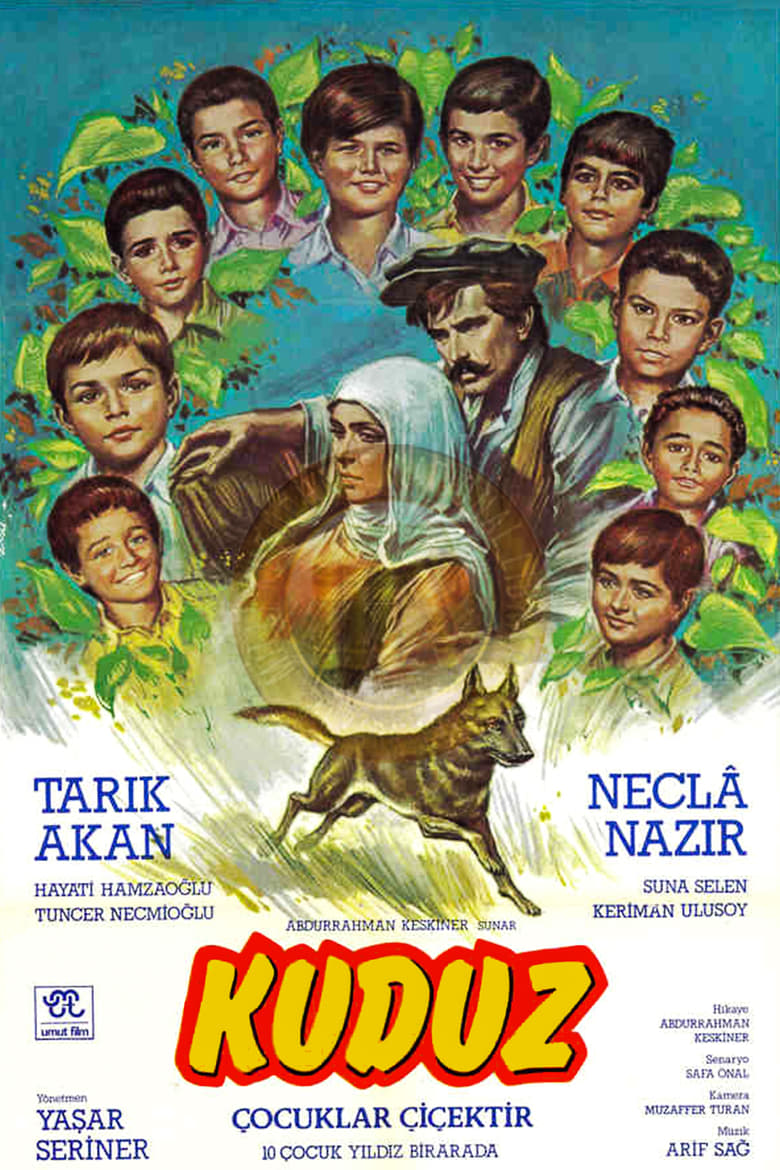
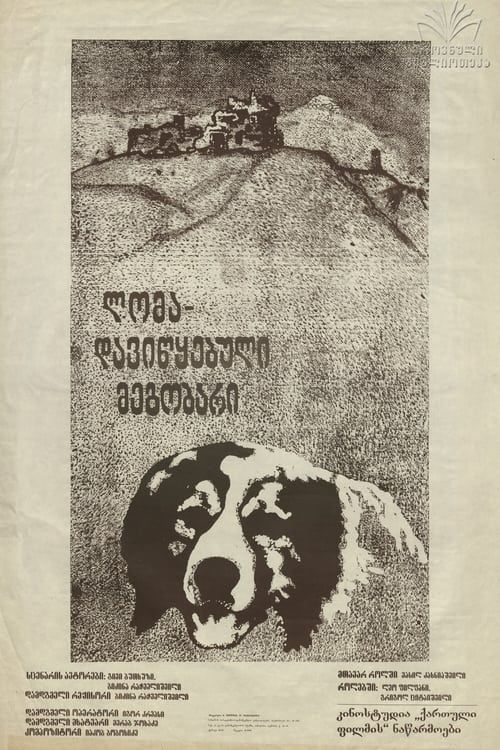
The film depicts the horror of rabies in a small town. World War II is raging. The war affects the lives of people living in a small town in southern Anatolia, as it does everywhere else in Turkey. The village chief, Haşim, is making a fortune by supplying raw materials to Germany through guests from Ankara. However, the dog brought as a gift by the guests from Ankara bites all the children in the village who want to play with it and then escapes. Soon after, it is discovered that the dog is rabid. The entire village will mobilize to get the children vaccinated as soon as possible.
Overall Score
Limited
Category Breakdown
LGBTQ+ Representation
The film lacks visibility for LGBTQ+ characters or non-cisnormative identities. The narrative focuses on a traditional village structure during a period of global conflict.
Gender Representation
Leadership and economic agency are concentrated in male figures like the village chief, Haşim. The plot's primary drivers are framed through a patriarchal lens typical of social realism.
Racial & Ethnic Diversity
The cast depicts a homogeneous local population in southern Anatolia. It offers a non-Western perspective on World War II by focusing on the peripheral impact on Anatolian communities.
Religious & Cultural Diversity
The story explores how global capitalism and war corrupt local morality. It follows a communal survivalist framework rather than deconstructing Western institutions.
Disability Representation
The threat of rabies creates physical vulnerability in the children. However, the film treats this as a medical crisis rather than exploring the lived experience of disability.
Strengths
Areas for Improvement
AI Analysis
Yaşar Seriner’s drama provides a localized look at how global geopolitical shifts manifest as visceral tragedies in rural settings. By shifting the gaze away from Western-centric war tropes, the film highlights the systemic vulnerabilities of Anatolian communities during World War II. However, the film adheres to the social realist conventions of its era. It lacks modern intersectional markers, specifically regarding LGBTQ+ identities and neurodivergent representation, which limits its contemporary inclusivity. Ultimately, the work succeeds as a social critique of how external conflicts impact traditional social structures, even if it maintains a traditional patriarchal framework.
1976
1983

2007
2016
1978
2010

2014
2003
2022

2014
2008
1982
No reviews yet. Be the first to share your thoughts on this movie!
Use the rating form above to leave a star rating and optional review.