
Uuno Turhapuro kaksoisagentti
1987
No user ratings available yet
Representation score: 5.2 out of 10
Representation Score
Limited
1993
Director
Spede Pasanen
Runtime
96 minutes
Average Rating
No ratings yetNew Showbiz Analysis
The film uniquely challenges social norms through its protagonist's rejection of traditional masculine responsibilities and capitalist productivity. Uuno's character humorously dismantles the provider archetype, while Elisabeth provides a necessary counterbalance of competence. However, the film remains narrowly focused demographically. It lacks representation of LGBTQ+ identities, racial diversity, or disability, staying firmly within a homogeneous Finnish context. Ultimately, the film's progressive value lies in its anti-authoritarian stance and critique of institutional values rather than broad demographic representation.
Category Breakdown
The film does not include any LGBTQ+ characters or explore non-straight relationships. The story centers around traditional family roles and household dynamics.
Uuno challenges the typical provider role by rejecting masculine authority and productive work. Elisabeth emerges as a strong, capable figure, reversing traditional leadership roles.
The cast is very uniform, reflecting the cultural context of 1990s Finland. There is no indication of racial diversity or non-white actors.
The story promotes anti-capitalist views through Uuno's refusal to engage in formal economic activities. It emphasizes social disruption over traditional Protestant work ethics.
The film does not depict any visible or hidden disabilities. None of the characters use disability as a key part of their identity or storyline.
Present on Screen
Limited or Absent
Official Synopsis
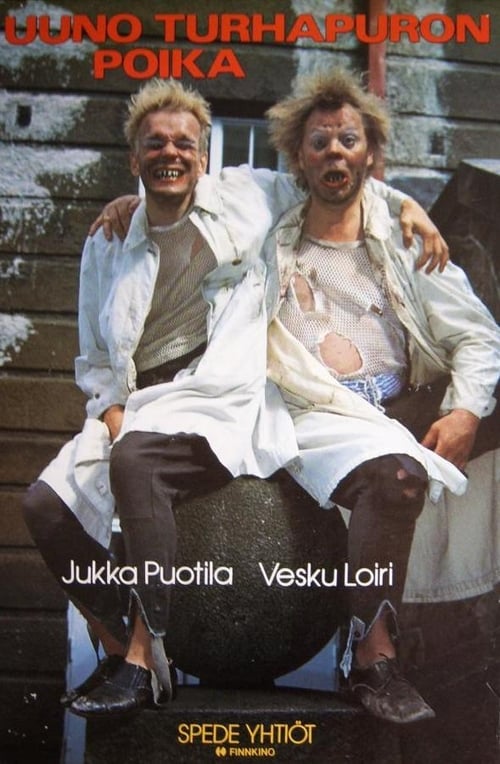
Gangsters try to steal Uuno Turhapuro's father-in-law's money by infiltrating into the family through Uuno, by pretending he has a long-lost son.
1987

1971

1966

1976

2012

2019

1973

1978
No reviews yet. Be the first to share your thoughts on this movie!
Use the rating form above to leave a star rating and optional review.