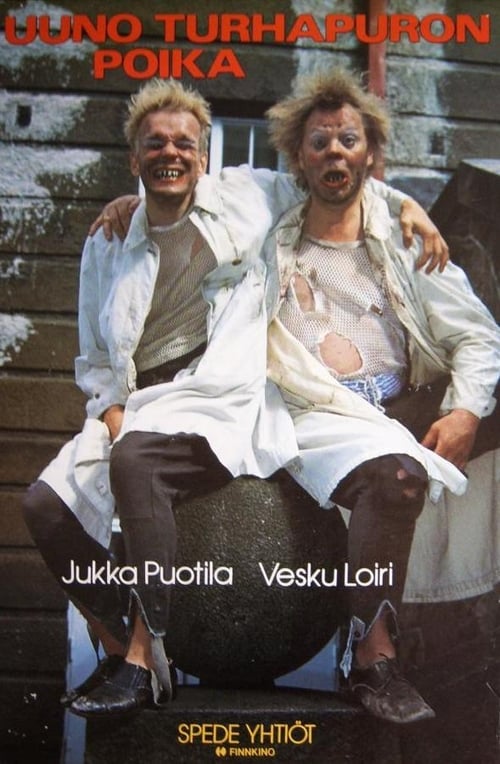
Uuno Turhapuron poika
1993
No user ratings available yet
Representation score: 2.9 out of 10
Representation Score
Fair
1987
Director
Spede Pasanen
Runtime
93 minutes
Average Rating
No ratings yetNew Showbiz Analysis
The film offers a unique subversion of gender roles by portraying a protagonist who rejects the traditional male provider archetype. However, the film is deeply limited by its lack of racial, LGBTQ+, and disability representation. The narrative remains anchored in a homogeneous demographic framework typical of its era. Ultimately, the film's diversity is narrow, focusing on the deconstruction of social responsibility and masculinity rather than broader systemic inclusion.
Category Breakdown
The film does not include any identifiable LGBTQ+ characters or storylines. The comedy focuses on the domestic life and the protagonist's interactions with authority figures, without any queer-coded subtext.
Uuno subverts traditional masculinity by acting as a domestic parasite rather than a breadwinner. His incompetence contrasts with the competence and stability of female characters such as Elisabeth.
The cast and setting appear largely homogeneous, reflecting the demographic norms of 1980s Finland. There is no evidence of significant racial or ethnic diversity.
The narrative challenges Western values regarding labor and the nuclear family. Uuno's refusal to work is framed as comedic liberation rather than a moral failure.
There is no representation of physical or neurodivergent disabilities with ability to act. The protagonist's unconventional behavior is treated as eccentricity rather than a meaningful exploration of disability.
Present on Screen
Limited or Absent
Official Synopsis
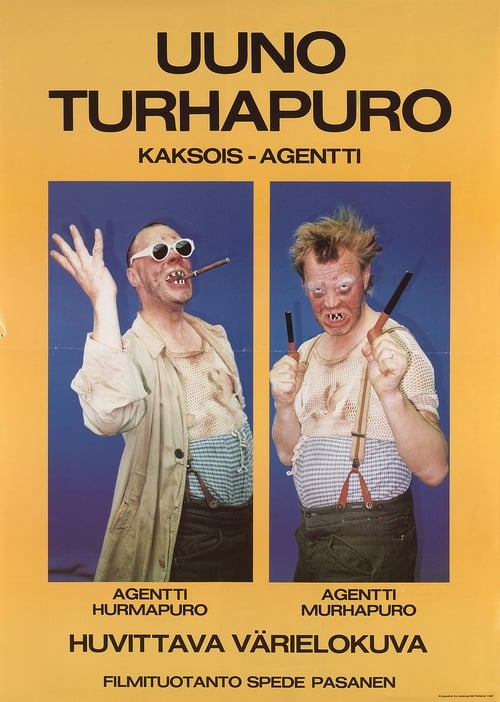
Uuno Turhapuro reads guide books to learn how to be an orchestra conductor and a secret agent. Meanwhile, his father in law hatches a complicated scheme to finally get rid of Uuno.
1993

1972

1991

1980

1975

1978
1992
1977
No reviews yet. Be the first to share your thoughts on this movie!
Use the rating form above to leave a star rating and optional review.