
Baseball: The Tenth Inning
2010
No user ratings available yet
Representation score: 5.7 out of 10
Representation Score
Minimal
2010
TV-GDirector
Barbara Kopple
Runtime
52 minutes
Average Rating
No ratings yetNew Showbiz Analysis
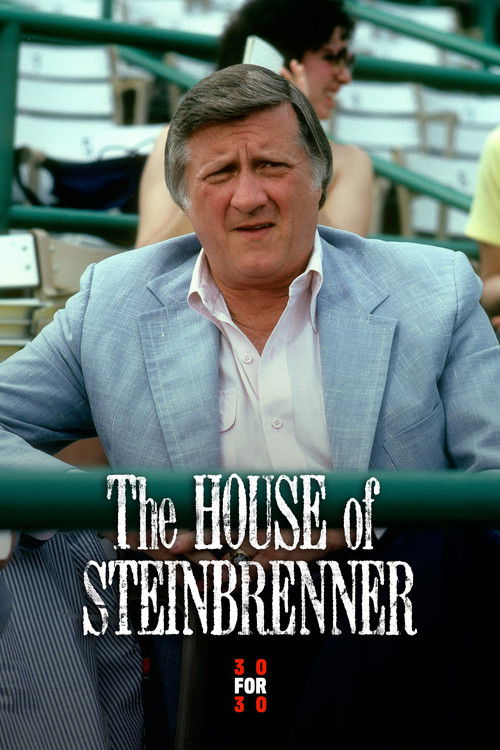
Barbara Kopple’s documentary examines the transformation of the New York Yankees into a billion-dollar business under George Steinbrenner. The film functions primarily as a study of sports ownership, leadership, and hyper-capitalism. The narrative is built around the control of a singular, dominant male figure. While it captures a transformative era in American culture, the focus remains on institutional growth and economic dominance rather than reflecting multiple aspects of identity.
Category Breakdown
The film focuses on the economic and structural history of a baseball franchise. There are no LGBTQ+ characters or narratives addressing non-straight relationships.
The narrative centers on George Steinbrenner and male-dominated hierarchies in baseball management. Primary control is concentrated in male leadership within a traditional patriarchal framework.
The documentary covers decades of the Yankees' history, which inherently involves the sport's racial integration. However, the focus remains on capital and institutional growth.
The film explores the evolution of baseball as a quintessential American institution. It chronicles the rise of a massive capitalist enterprise and Western economic success.
There is no information regarding the depiction of individuals with physical or neurodivergent disabilities in this documentary.
Present on Screen
Limited or Absent
Official Synopsis
Love them or hate them, the Yankees dominated baseball for more than four decades, then sagged under ownership by CBS until a 42-year-old shipbuilder named George Steinbrenner led a purchase of the team in 1973. He turned that $10m investment into a billion-dollar business, and the 'House that Ruth Built' inspired generations of fans. Deteriorating facilities and changing revenue streams inspired Steinbrenner to build an impressive new stadium marking the end of one grand era and the beginning - perhaps - of another.
2010
2013
2014

2022
2013
2019
2010

2021
No reviews yet. Be the first to share your thoughts on this movie!
Use the rating form above to leave a star rating and optional review.