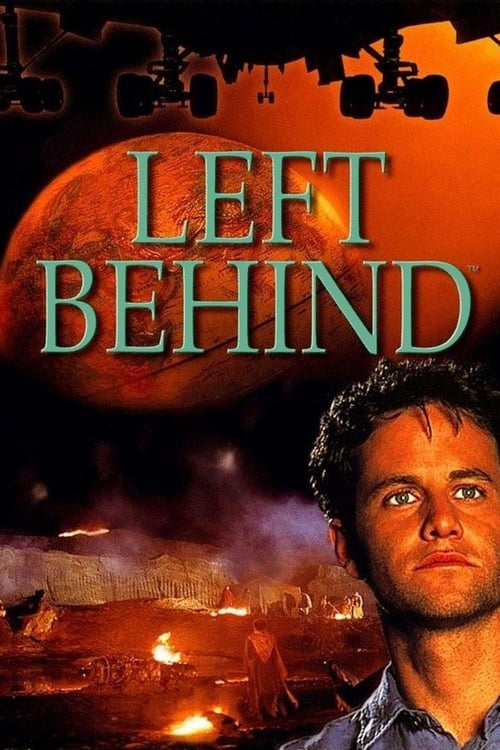
Left Behind
2000
No user ratings available yet
Representation score: 0.3 out of 10
Representation Score
Minimal
2002
PG-13Director
Bill Corcoran
Runtime
96 minutes
Average Rating
No ratings yetNew Showbiz Analysis
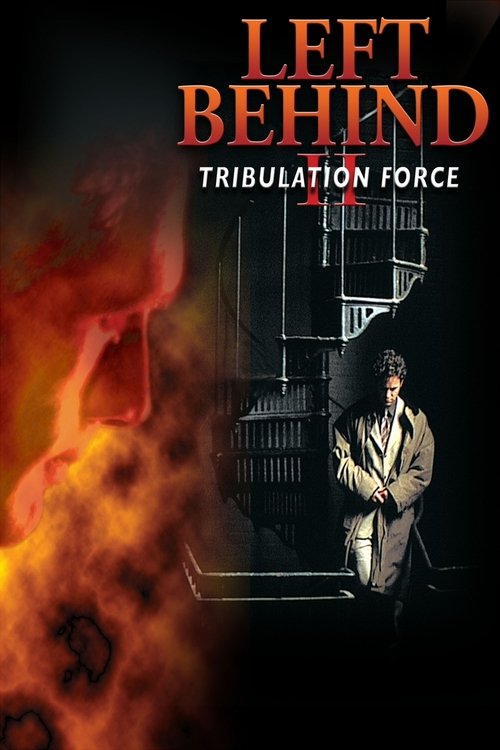
Left Behind II: Tribulation Force is a traditional narrative that reinforces established social and religious hierarchies. It prioritizes theological absolutes over diverse representations, presenting a narrow worldview. The film's structure centers around conventional moral and family frameworks, avoiding the complexities of racial, ethnic, or queer identities. Instead, it presents a binary struggle between divine truth and worldly corruption. Ultimately, the work defends traditional values and resists postmodern themes of subjective truth, focusing on a rigid, religion-centered perspective that lacks diversity across most social categories.
Category Breakdown
The film follows traditional biblical views on marriage and does not include any queer narratives or non-straight identities.
Female characters play important roles in the group's survival and have significant spiritual influence. However, leadership and key decisions are primarily made by men, reinforcing traditional patriarchal structures.
The story focuses on a specific religious identity and a homogeneous group of believers, ignoring the ethnic diversity of its global setting.
The film upholds a singular Christian moral code and portrays secular institutions as corrupt, emphasizing religious authority as the ultimate truth.
There are no significant depictions of physical or neurodivergent disabilities. Characters are defined by their spiritual roles and actions rather than any disabilities.
Present on Screen
Limited or Absent
Official Synopsis
After millions vanish, a group of people must band together to form the Tribulation Force and prepare themselves for the worst seven years the planet has ever seen.
2000

2014

2005

2010

2016

1998

2023

1972
No reviews yet. Be the first to share your thoughts on this movie!
Use the rating form above to leave a star rating and optional review.