Lathe of Heaven
2002
No user ratings available yet
Representation score: 5.0 out of 10
Representation Score
Good
2000
RDirector
Michael Pattinson
Runtime
86 minutes
Average Rating
No ratings yetNew Showbiz Analysis
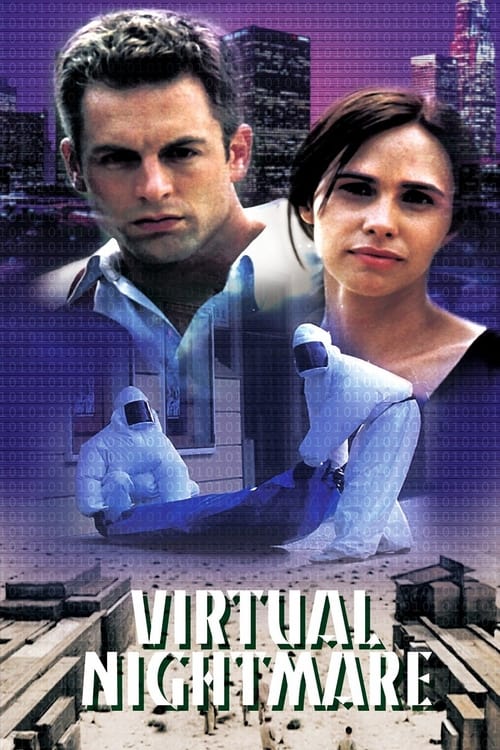
Virtual Nightmare is a cerebral sci-fi thriller that prioritizes thematic subversion over demographic variety. It excels at deconstructing the sanctity of an ordered world, using a protagonist's sensory glitches to challenge systemic control and institutional perfection. While the film lacks overt representation regarding race and sexual orientation, it finds strength in its intellectual architecture. The narrative empowers characters to interrogate the foundations of their reality, moving beyond simple genre clichés. Ultimately, the work functions as a sophisticated critique of social constructs. It trades traditional, comforting narratives for a skeptical exploration of subjective truth and the instability of perceived reality.
Category Breakdown
The story focuses on a heterosexual relationship between Dale and Wendy. There are no explicit LGBTQ+ characters or non-binary identities in the narrative.
Wendy avoids the passive female stereotype by serving as the intellectual anchor. She demonstrates superior investigative skills compared to the vulnerable, cognitively unstable male protagonist.
The film appears to focus on a relatively homogeneous social structure. There is no evidence of a non-white majority cast or intentional race-bending in this setting.
The film offers a progressive critique of institutional stability. It deconstructs the idea of a stable, utopian Western society by framing the 'perfected' world as a flawed construct.
The protagonist's hallucinations serve as a metaphor for neurodivergence. He is given ability to act to decode his sensory experience rather than being defined solely by medical deficits.
Present on Screen
Limited or Absent
Official Synopsis
Advertising executive Dale Hunter (Michael Muheny) works at the agency Arora. But after a car accident, his life changed abruptly. He has nightmares at night and by day he suffers from hallucinations. The world looks like from a computer. Numbers and names adhere to the objects. A doctor can not help him and the hallucinations are getting worse. Librarian Wendy seems to be the only person he can trust. Together they try to find out the truth.
2002
1984
1995

2012
2000
1991
1991
1980
No reviews yet. Be the first to share your thoughts on this movie!
Use the rating form above to leave a star rating and optional review.