
Un cane per due
2010
No user ratings available yet
Representation score: 2.9 out of 10
Representation Score
Limited
1998
PGDirector
George T. Miller
Runtime
90 minutes
Average Rating
No ratings yetNew Showbiz Analysis
In the Doghouse functions as a conventional domestic comedy that explores personal upheaval. While it avoids broader systemic critiques, it subtly subverts the 'stable male leader' cliché by centering on a man's loss of provider status. However, the film reflects its era by lacking multi-layered casting. The demographic focus remains narrow, centering on a homogeneous middle-class experience with limited minority representation.
Category Breakdown
The film does not include any LGBTQ+ characters or narratives. The main conflict revolves around a traditional marital separation without any queer perspectives.
The film deconstructs traditional masculine archetypes by showing a male protagonist in a vulnerable state. It explores shifting power dynamics during a mid-life crisis and marital separation.
The production features a highly homogeneous cast, primarily Caucasian, reflecting a traditional, non-diverse middle-class Australian environment.
The story examines the breakdown of the traditional family unit within a standard capitalist framework. It avoids singular religious morality, focusing instead on secular, personal struggles.
There are no characters with visible or invisible disabilities in the film. The narrative operates within a standard able-bodied framework.
Present on Screen
Limited or Absent
Official Synopsis
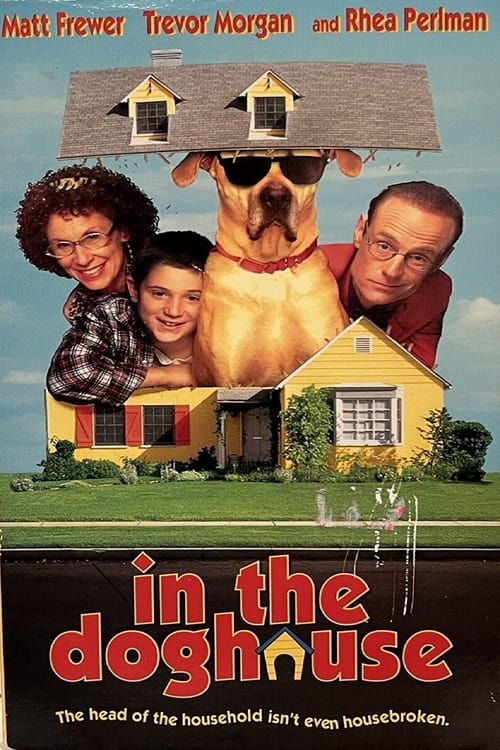
A family dog is pushed into show business and into taking on the role of breadwinner, as the man of the house loses his job and takes the dog to auditions secretly while his family is unaware of this unemployment.
2010

1966

2009

2005

2012

2006

2001

1993
No reviews yet. Be the first to share your thoughts on this movie!
Use the rating form above to leave a star rating and optional review.