Wrong Elements
2017
No user ratings available yet
Representation score: 9.0 out of 10
Representation Score
Excellent
2023
Director
Emil Langballe, Łukasz Konopa
Runtime
104 minutes
Average Rating
No ratings yetNew Showbiz Analysis
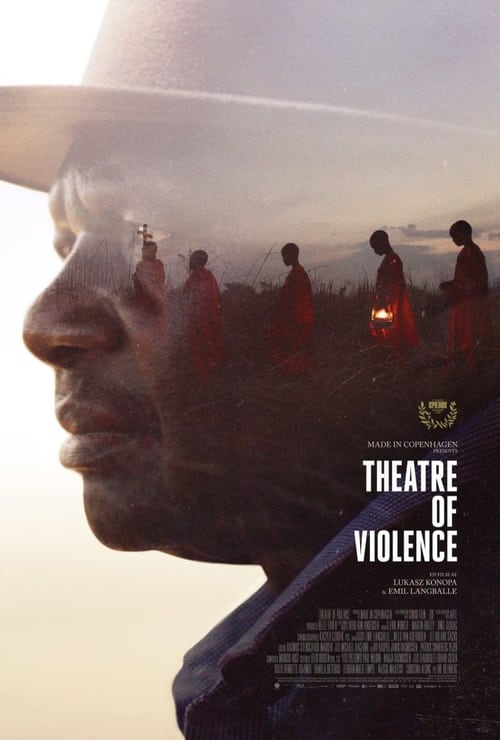
Theatre of Violence succeeds by shifting the documentary lens away from Western protagonists toward the complex realities of the Global South. By focusing on the legal struggle of a former Ugandan child soldier, the film highlights the intersection of systemic instability and international jurisprudence. The film’s strength lies in its ability to move beyond simplistic moral binaries. It explores how systemic victimization influences individual culpability, offering a nuanced look at how international institutions interact with localized conflicts. However, the documentary’s focus on legal and institutional frameworks means it lacks specific data on LGBTQ+ or disability representation. The narrative is driven by systemic structures rather than diverse identity-based social narratives.
Category Breakdown
The documentary does not address LGBTQ+ identities. It focuses on international criminal law and legal defenses.
The film examines professional legal and investigative roles within a defense team. It suggests a diverse professional environment but does not specify gender balance among witnesses and lawyers.
The film centers Ugandan voices and social realities, emphasizing ability to act from the Global South and challenging Western-centric views on historical crime and justice.
The narrative challenges Western justice norms by exploring the complexities of child soldierhood in Uganda. It highlights the tension between local realities and universal standards set by the ICC.
There is no specific information about the portrayal of physical disabilities, neurodivergence, or mental health conditions within the documentary.
Present on Screen
Limited or Absent
Official Synopsis
For the first time in history, a former child soldier is being indicted at the International Criminal Court in The Hague (ICC). The Film follows his defence team at the ICC and in Uganda, as they gather evidence, materials, and witnesses.
2017
2012
2008
2024
2016
2023
2022
2012
No reviews yet. Be the first to share your thoughts on this movie!
Use the rating form above to leave a star rating and optional review.