
Winter Solstice
2004
No user ratings available yet
Diversity score: 1.9 out of 10
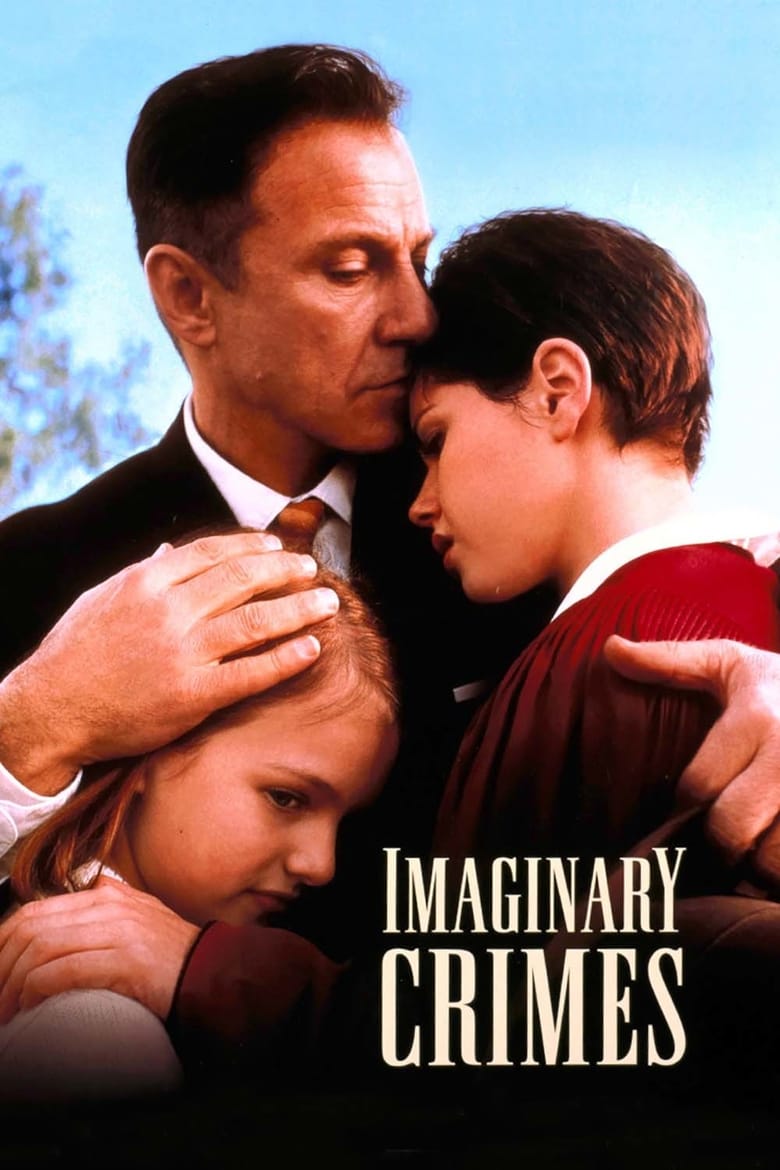
1994
PGDirector
Anthony Drazan
Runtime
105 minutes
Average Rating
No ratings yetSynopsis
A recently widowed, small-time hustler struggles to raise his two daughters on his own and still make a dishonest living in 1960s Portland, Oregon.
Overall Score
Fair
Category Breakdown
LGBTQ+ Representation
The film focuses on a heterosexual domestic unit consisting of a father and his daughters. There is no evidence of non-cisnormative identities or narratives critiquing heteronormativity.
Gender Representation
The story disrupts 1960s domestic hierarchies by centering a father in a primary caregiving role. This shift provides a moderate subversion of traditional gendered expectations regarding household stability.
Racial & Ethnic Diversity
The setting is 1960s Portland, but the narrative provides no information regarding the racial composition of the cast. Specific details on characters of color are absent.
Religious & Cultural Diversity
The film explores moral relativism through the lens of a small-time hustler. It examines the struggle of maintaining a family through illicit means within a specific economic framework.
Disability Representation
The character descriptions do not mention neurodivergence, physical disabilities, or mental health conditions. No representation of disability is present in the narrative.
Strengths
Areas for Improvement
AI Analysis
Imaginary Crimes is a period drama that finds its strength in subverting mid-century domestic tropes. By placing a widowed father in the role of primary caregiver, the film challenges the traditional 1960s maternal archetype. However, the film remains narrow in its scope. The narrative is localized to a singular domestic struggle, offering little insight into the broader social or racial landscape of 1960s Oregon. Without a wider cast or diverse identities, the film relies heavily on traditional period-drama structures. Ultimately, the work functions as a character study of moral ambiguity rather than a vehicle for systemic representation. It succeeds in exploring socioeconomic survival but lacks intersectional depth.
2004

2011
1917

2016
2006
2010

1989
1959
1963

2012
1930

1995
No reviews yet. Be the first to share your thoughts on this movie!
Use the rating form above to leave a star rating and optional review.