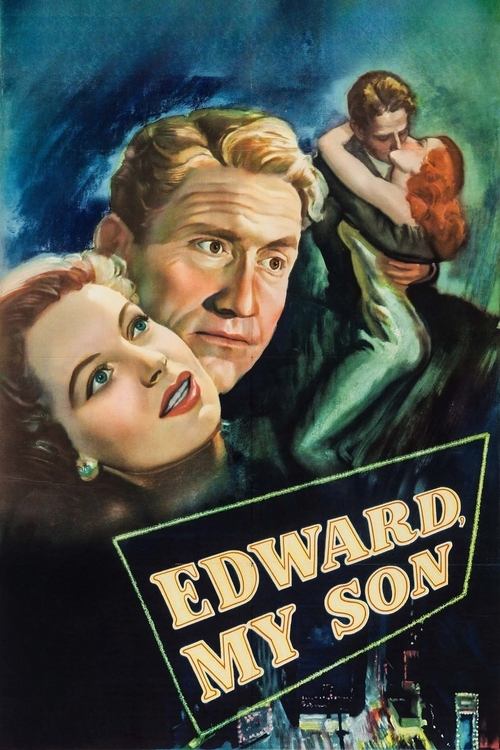
Edward, My Son
1949
No user ratings available yet
Diversity score: 1.4 out of 10
1963
NRDirector
Alex Segal
Runtime
97 minutes
Average Rating
No ratings yetSynopsis
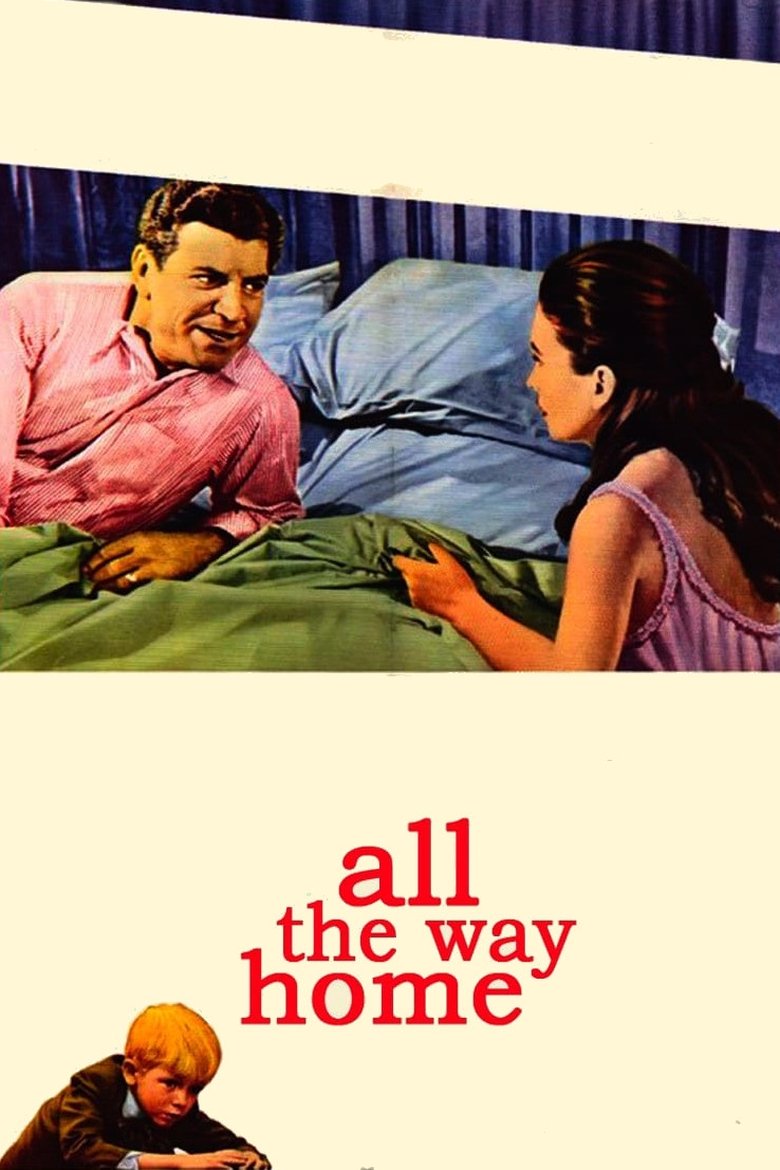
In the early 1900's Tennessee, a loving family undergoes the shock of the father's sudden, accidental death. The widow and her young son must endure the heartache of life following the tragedy, but slowly rise up from the ashes to face the hope of renewed life.
Overall Score
Limited
Category Breakdown
LGBTQ+ Representation
The film focuses on a traditional nuclear family structure. There is no evidence of non-heteronormative identities or critiques of heteronormativity.
Gender Representation
The narrative centers on a widow navigating hardship, yet follows traditional tropes. She serves as an emotional anchor within a domestic sphere rather than subverting gender hierarchies.
Racial & Ethnic Diversity
Set in early 1900s Tennessee, the story implies a homogeneous depiction of a rural Southern family. It aligns with conventional period-piece tropes of the 1960s.
Religious & Cultural Diversity
The themes of tragedy and hope suggest a reliance on conventional moral frameworks. The story reinforces traditional Western values regarding family stability and domestic sanctity.
Disability Representation
No information is available regarding the depiction of physical or neurodivergent characters.
Strengths
Areas for Improvement
AI Analysis
All the Way Home is a conventional period melodrama that prioritizes restorative emotional arcs over social critique. The story follows a standard trajectory of grief and resilience within a traditional family unit. The film adheres strictly to the social and cinematic norms of its 1963 production era. It lacks intersectional complexity, focusing instead on the restoration of social order following a domestic tragedy. Ultimately, the narrative functions as a traditional domestic drama. It reinforces established hierarchies rather than challenging them through diverse perspectives or systemic subversion.
1949

2018
1951

2012

1946
1984

1933
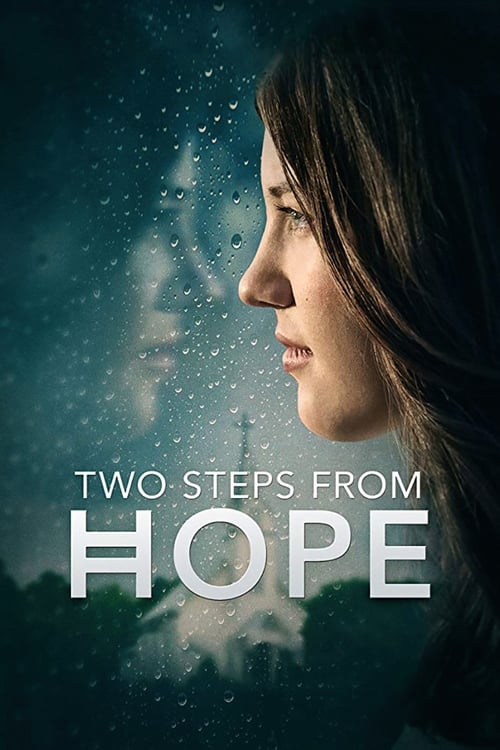
2017
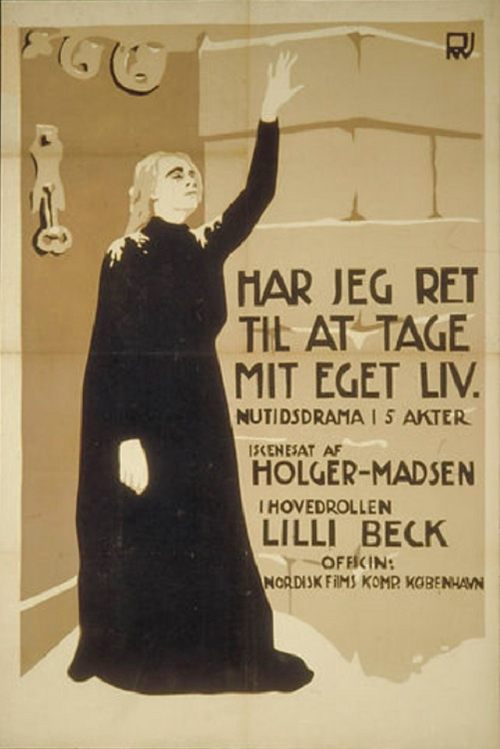
1920
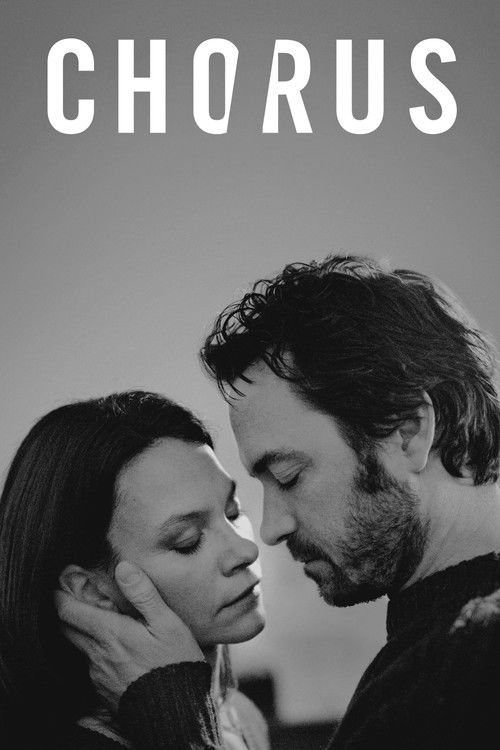
2015

1963
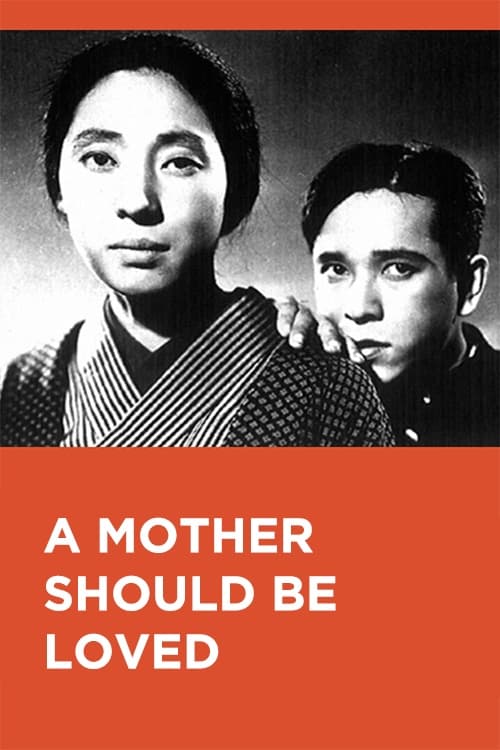
1934
No reviews yet. Be the first to share your thoughts on this movie!
Use the rating form above to leave a star rating and optional review.